
Emergency departments (EDs) operate in one of the most demanding environments in healthcare. Physicians, nurses, and advanced practice providers must make rapid decisions, manage high patient volumes, and document every detail accurately—all under intense time pressure. In this setting, documentation inefficiencies can quickly lead to workflow bottlenecks, clinician burnout, and increased risk of errors. This is where ER scribe solutions play a critical role in transforming emergency department documentation.
ER scribe solutions provide trained medical scribes who document patient encounters in real time, allowing clinicians to focus on diagnosis, treatment, and patient communication. By integrating emergency scribes directly into emergency workflows, hospitals can improve documentation accuracy, speed, and overall operational efficiency without compromising quality of care.
Documentation Challenges in the Emergency Department
Emergency departments face unique documentation challenges that differ from other care settings. Patients often present with limited medical histories, acute symptoms, and complex conditions that require rapid assessment. Providers may see dozens of patients per shift while juggling interruptions, consultations, and procedures.
Under these conditions, clinicians often rely on delayed documentation.
Studies have shown that clinicians spend a significant portion of their work time on EHR and documentation tasks, contributing to increased burden and burnout. In fact, research using EHR event-log data found that physicians spent nearly 6 hours per 8-hour workday actively using EHRs, much of which is tied to documentation, chart review, and clerical tasks.These challenges can affect patient safety, slow down throughput, and create downstream issues with coding, billing, and compliance. ER scribe solutions address these challenges by ensuring documentation occurs accurately and in real time.
Under these conditions, clinicians often rely on delayed documentation, which increases the likelihood of omissions, inconsistencies, and incomplete charts. These challenges can affect patient safety, slow down throughput, and create downstream issues with coding, billing, and compliance. ER scribe solutions address these challenges by ensuring documentation occurs accurately and in real time.
Supporting Complex and Pediatric Emergency Care
Emergency departments serve a diverse patient population, including trauma cases, critically ill adults, and children with unique clinical needs. Accurate documentation becomes especially important when managing pediatric patients, where weight-based dosing, caregiver communication, and developmental considerations add complexity.
By capturing detailed histories and provider assessments during the encounter, ER scribes help ensure documentation clarity and continuity. This real-time support improves care coordination and supports pediatric emergency care, where precise documentation is essential for safe treatment decisions and effective follow-up.
Real-Time Documentation Improves Workflow Efficiency
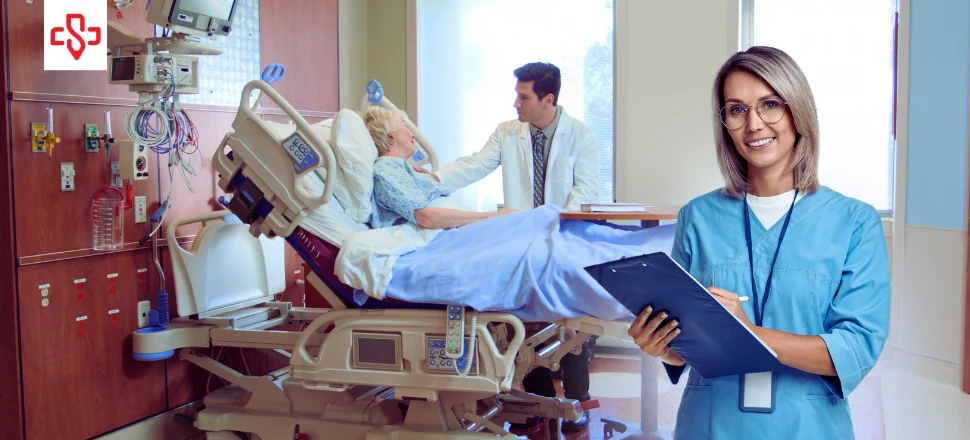
One of the most significant benefits of ER scribe solutions is real-time documentation. Scribes accompany providers during patient evaluations—either in person or virtually—and enter clinical information directly into the electronic health record (EHR) as the encounter unfolds.
This approach reduces reliance on memory and eliminates the need for extensive after-shift charting. Providers can complete notes faster, orders are placed more efficiently, and charts are often closed before the end of the shift. As a result, emergency departments experience smoother workflows, reduced documentation backlogs, and improved patient throughput.
Reducing Errors and Enhancing Documentation Accuracy
Documentation errors in the emergency department can have serious consequences. Missing details, incorrect timestamps, or inconsistent notes may affect clinical decisions, delay care, or increase liability risks. ER scribe solutions help mitigate these risks by improving documentation accuracy and consistency.
Scribes follow standardized templates, provider preferences, and departmental protocols to ensure complete and compliant records. Their focused role allows them to capture nuances that might otherwise be overlooked in high-pressure situations, contributing to safer patient care and better clinical outcomes.
The Role of ER Scribe Programs in Team-Based Care
Effective emergency care depends on seamless collaboration among physicians, nurses, specialists, and support staff. ER Scribe Programs integrate scribes as part of the care team rather than as an external resource. Scribes understand ED workflows, adapt to provider styles, and support documentation across different stages of care.
This integration allows clinicians to communicate more effectively with patients and colleagues while documentation occurs in parallel. Over time, ER scribe programs help standardize documentation practices, reduce variability, and improve interdisciplinary communication throughout the emergency department.
Improving Provider Experience and Reducing Burnout
Burnout remains a significant concern among emergency clinicians, with documentation burden being a major contributor. Long shifts, high patient acuity, and extensive EHR requirements often lead to after-hours charting and reduced work-life balance.
ER scribe solutions alleviate this burden by shifting documentation responsibilities away from providers. Clinicians spend less time on screens and more time on patient care. Many hospitals report improved provider satisfaction, reduced cognitive fatigue, and better retention after implementing scribe programs in the ED.
Understanding the ROI of ER Scribe Solutions
Beyond clinical benefits, hospitals increasingly evaluate the ROI of ER scribe solutions. Improved documentation efficiency allows providers to see more patients per shift without compromising care quality. Faster chart completion supports timely billing, reduces claim denials, and improves revenue cycle performance.
Additionally, more accurate documentation helps minimize compliance risks and supports quality reporting. When combined with reduced provider burnout and turnover costs, ER scribe solutions often deliver measurable financial and operational returns, making them a strategic investment rather than an added expense.
Scalability Across Emergency Department Settings
ER scribe solutions are highly adaptable and scalable. Whether supporting a high-volume urban trauma center or a smaller community hospital, scribes can adjust to varying patient volumes, acuity levels, and departmental workflows.
With the availability of both on-site and virtual scribe models, hospitals can deploy documentation support based on operational needs, staffing constraints, and budget considerations. This flexibility makes ER scribe solutions suitable for a wide range of emergency care environments.
Conclusion: A Smarter Approach to Emergency Documentation
Emergency departments require documentation solutions that match the speed, complexity, and intensity of care delivery. ER scribe solutions streamline emergency department documentation by improving accuracy, reducing clinician workload, and enhancing workflow efficiency. From supporting pediatric emergency care to strengthening compliance and financial performance, scribes play a vital role in modern emergency medicine.
As patient volumes continue to rise and documentation demands grow, investing in professional ER scribe solutions is a forward-thinking strategy for hospitals seeking sustainable, high-quality emergency care.
Looking to improve emergency department efficiency and documentation accuracy? Partnering with Scribe.ology can help your organization reduce burden, support clinicians, and deliver better patient outcomes. Now is the time to explore how tailored ER scribe solutions can strengthen your emergency department operations.