
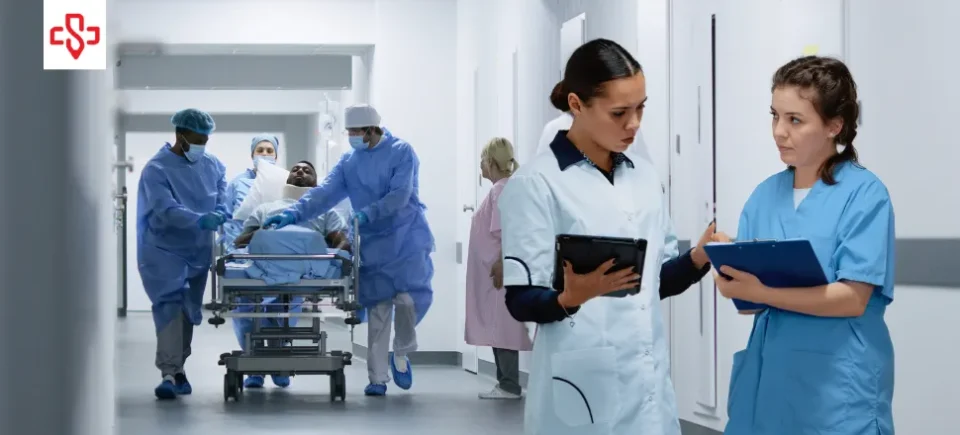
Emergency departments operate in one of the most fast-paced and high-risk environments in healthcare. Physicians and nurses must make split-second decisions while managing heavy patient volumes, trauma cases, and complex documentation requirements. In this demanding setting, ED Scribes for Patient Safety play a vital role in reinforcing clinical accuracy, improving communication, and supporting compliance with established safety protocols.
Accurate documentation is not just an administrative requirement in emergency medicine—it is a direct contributor to patient safety. From medication reconciliation to discharge instructions, every detail matters. When documentation gaps occur, the risk of medical errors increases. Therefore, integrating professional ED scribe has become a strategic approach to strengthening safety frameworks in modern emergency care.
The Link Between Documentation and Patient Safety
Incomplete or delayed documentation can compromise continuity of care. For example, unclear notes may lead to medication errors, redundant testing, or missed diagnoses. According to research published by Johns Hopkins Medicine, medical errors are estimated to contribute to more than 250,000 deaths per year in the United States, making them one of the leading causes of mortality. While errors stem from multiple factors, communication and documentation failures are significant contributors.
Additionally, the Centers for Disease Control and Prevention (CDC) reports that U.S. emergency departments see over 130 million visits annually. With such high patient volume, even minor documentation oversights can scale into widespread safety concerns. As a result, improving documentation processes is essential for reducing preventable harm.
How ED Scribes Enhance Patient Safety Protocols
1. Real-Time Documentation Accuracy
ED scribes document patient encounters in real time, ensuring that histories, assessments, and treatment plans are accurately recorded. Consequently, physicians can focus more fully on patient evaluation and decision-making rather than dividing attention between care and typing.
2. Improved Medication and Allergy Documentation
Medication errors are among the most common patient safety risks in emergency care. By carefully recording medication lists, allergies, and dosage instructions, ED Scribes for Patient Safety help minimize discrepancies that could otherwise lead to adverse drug events.
3. Clear Communication Across Care Teams
Emergency departments rely on coordinated teamwork. Scribes ensure that clinical notes clearly reflect physician instructions, diagnostic findings, and procedural details. Therefore, nurses, specialists, and follow-up providers can act confidently on accurate information.
4. Support for Compliance and Risk Management
Thorough documentation supports regulatory compliance and reduces malpractice exposure. Detailed notes also provide clarity during quality reviews and audits, reinforcing accountability within safety protocols.
ED Scribes and High-Pressure Situations
During trauma activations or critical cases, physicians must prioritize life-saving interventions. Documentation, although essential, becomes secondary in the moment. Scribes step in to capture events as they unfold, preserving an accurate clinical record without distracting the provider. Emergency scribes also manage critical workflows in high-pressure emergency situations.
Impact on Emergency Care Efficiency
Efficiency and safety go hand in hand. When documentation is streamlined, patient throughput improves without sacrificing quality. Reduced charting burden allows physicians to see patients more quickly while maintaining detailed records. Discover further insights about scribe support in emergency care and how it enhances operational performance.
Supporting Specialized Emergency Populations
Pediatric emergency care presents unique documentation challenges, including weight-based dosing and guardian communication. ED scribes trained in pediatric workflows ensure accuracy in these sensitive cases. For additional perspective, explore how scribes assist with pediatric emergency documentation.
Key Patient Safety Benefits of ED Scribes
| Safety Protocol Area | Common Risk | ED Scribe Contribution |
|---|---|---|
| Medication Reconciliation | Incorrect dosages or omissions | Accurate, real-time medication documentation |
| Diagnostic Reporting | Missed or unclear findings | Clear documentation of imaging and lab results |
| Discharge Instructions | Patient misunderstanding | Detailed and complete discharge summaries |
| Handoff Communication | Information gaps between providers | Comprehensive encounter summaries |
| Legal Documentation | Malpractice vulnerability | Thorough, time-stamped clinical records |
Reducing Physician Burnout to Protect Patients
Physician fatigue is closely tied to patient safety outcomes. When providers are overwhelmed by documentation demands, cognitive load increases. By alleviating charting responsibilities, ED Scribes for Patient Safety help reduce burnout, allowing physicians to remain focused and attentive during patient encounters.
Furthermore, improved morale contributes to better team communication and adherence to established safety protocols. As emergency departments continue to face staffing shortages and growing patient volumes, scribe support becomes even more valuable.
Building a Culture of Safety Through Documentation Excellence
Patient safety is not achieved through isolated actions—it requires a system-wide commitment to accuracy, communication, and accountability. ED scribes strengthen this culture by ensuring documentation integrity at every stage of care. From triage to discharge, their role reinforces transparency and continuity.
Moreover, reliable documentation supports data-driven quality improvement initiatives. When records are complete and precise, healthcare leaders can identify trends, address gaps, and refine protocols more effectively.
Why ED Scribes for Patient Safety Are a Strategic Investment
Emergency departments must balance speed with precision. While rapid decision-making saves lives, accurate documentation ensures those decisions are clearly recorded and defensible. ED scribes provide the structure and consistency needed to uphold both objectives.
Ultimately, investing in professional scribing services enhances patient trust, reduces risk exposure, and supports regulatory compliance. By strengthening documentation workflows, hospitals can elevate both safety standards and operational performance.
Strengthen Your Emergency Department Today
If your emergency department is seeking to improve documentation accuracy, reduce provider burnout, and reinforce patient safety protocols, professional ED scribe support can make a measurable difference. Partner with experienced specialists who understand the demands of emergency medicine.
Take the next step toward safer, more efficient care. Request a customized consultation today at Scribe.ology and discover how ED Scribes for Patient Safety can transform your emergency department operations.