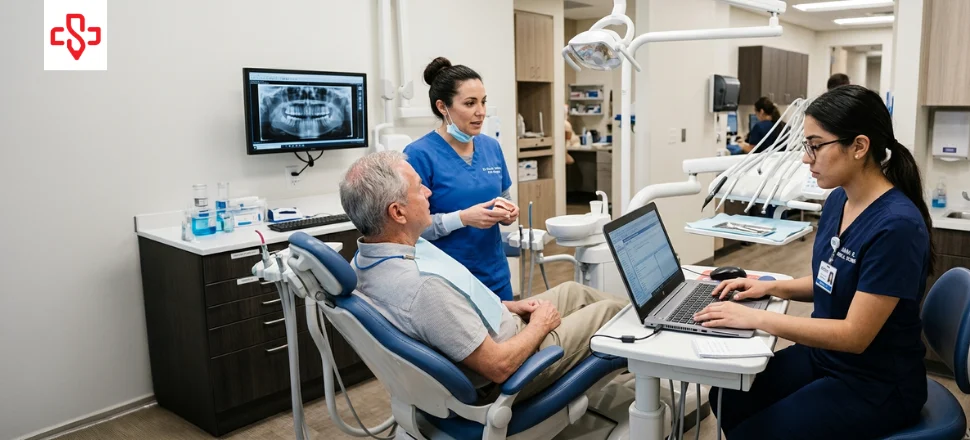
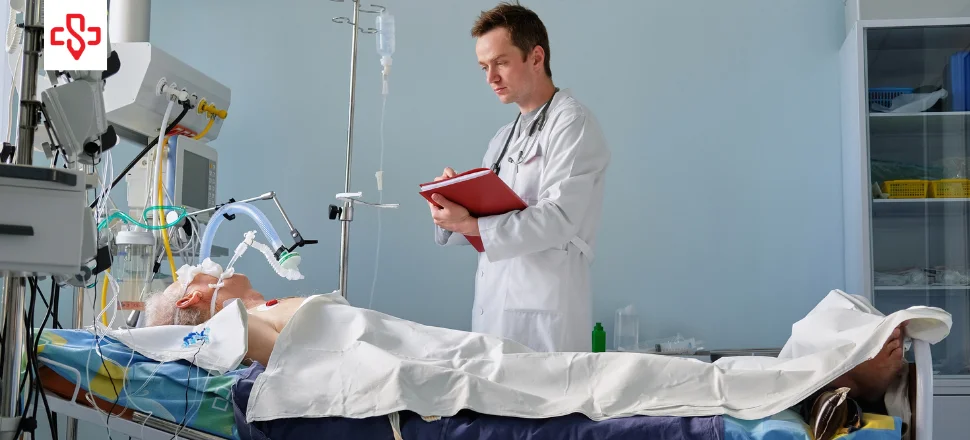
High-acuity trauma cases represent some of the most demanding scenarios in emergency medicine. From severe motor vehicle accidents to penetrating injuries and multi-system trauma, emergency departments must respond within seconds. In these critical moments, accurate and immediate documentation is just as important as rapid clinical intervention. This is where Emergency Scribes in Trauma Care provide essential support, ensuring that life-saving actions are recorded precisely while physicians focus entirely on patient stabilization.
Trauma environments are fast, unpredictable, and often chaotic. Multiple specialists may work simultaneously on a single patient, administering medications, ordering imaging, initiating procedures, and making rapid treatment decisions. Without real-time documentation, important details can be missed, delayed, or inaccurately recorded. Emergency scribes help prevent these risks by capturing every clinical step as it happens.
The Documentation Burden in High-Acuity Trauma
Emergency physicians face an overwhelming documentation workload. Studies indicate that emergency doctors spend nearly 40–50% of their shift interacting with electronic health records (EHRs), significantly reducing direct patient care time. In trauma cases, this burden increases because documentation must include detailed injury descriptions, procedure notes, critical care time, and coordination with consulting teams.
Furthermore, research shows that physicians often spend one to two additional hours after their shift completing charts. This after-hours workload contributes to fatigue and increases the risk of documentation errors—especially following high-stress trauma cases.
How Emergency Scribes in Trauma Care Improve Accuracy
In high-acuity trauma situations, precision matters. Emergency scribes document assessments, diagnostic findings, treatment decisions, procedures, and physician interpretations in real time. By doing so, they reduce omissions and ensure that every intervention is accurately reflected in the medical record.
This process supports continuity of care, particularly when trauma patients transition from the emergency department to surgery or the ICU. Accurate documentation ensures that receiving teams understand exactly what occurred during the initial stabilization phase.
For a broader look at how documentation workflows improve in emergency settings, see streamlining emergency department documentation.
Supporting Rapid Decision-Making in Critical Moments
Trauma cases demand immediate action. Physicians must assess airway, breathing, circulation, neurological status, and internal injuries within minutes. At the same time, they must order labs, imaging, blood products, and specialist consultations. Emergency Scribes in Trauma Care support this rapid workflow by entering orders under physician direction and documenting clinical reasoning simultaneously.
Because documentation happens in real time, providers avoid delays that typically occur when charting after patient stabilization. This efficiency helps maintain momentum in trauma resuscitations and ensures that records remain current.
To better understand the core responsibilities of these professionals, explore roles and benefits explained.
Reducing Night Shift Documentation Backlogs
Trauma incidents frequently occur during nights and weekends, when staffing levels may be leaner and patient volumes unpredictable. Without documentation support, physicians often accumulate unfinished charts that extend long past their scheduled shifts.
Emergency scribes help eliminate these backlogs by completing documentation during active patient encounters. Hospitals that implement structured scribe programs report significant reductions in after-hours charting and improved physician efficiency. Learn more about reducing night shift documentation backlogs.
Handling Unpredictable Trauma Workflows
Unlike scheduled procedures, trauma cases are inherently unpredictable. One moment, the emergency department may appear stable; the next, multiple trauma activations may arrive simultaneously. Emergency Scribes in Trauma Care adapt quickly to these fluctuations, documenting across multiple cases and adjusting to rapidly evolving priorities.
Their ability to remain focused under pressure supports providers during mass casualty events and high-volume trauma surges. Additional insights on this adaptability can be found in handling unpredictable workflows.
Enhancing Compliance and Reimbursement
High-acuity trauma cases often qualify for critical care billing codes, but reimbursement depends on accurate documentation of time spent, procedures performed, and medical decision-making complexity. Missing or incomplete notes can lead to undercoding or claim denials.
Emergency scribes ensure that critical care time, procedures such as intubation or central line placement, and detailed assessments are properly recorded. In fact, documentation support programs have been associated with improved coding accuracy and increased revenue capture in emergency departments.
Table: Impact of Emergency Scribes in Trauma Care
| Impact Area | Without Scribes | With Emergency Scribes in Trauma Care |
|---|---|---|
| Documentation Timeliness | Delayed chart completion | Real-time trauma documentation |
| Error Risk | Higher due to stress and fatigue | Reduced omissions and inaccuracies |
| Physician Focus | Divided between care and EHR | Primarily patient-centered care |
| After-Hours Charting | Frequent night backlog | Minimal post-shift documentation |
| Billing Accuracy | Risk of undercoding | Improved compliance and reimbursement |
Improving Team Communication in Trauma Cases
Clear documentation also enhances interdisciplinary communication. Trauma care involves emergency physicians, trauma surgeons, anesthesiologists, radiologists, nurses, and critical care teams. When scribes maintain comprehensive and organized records, each provider can quickly review the patient’s history and interventions.
This clarity minimizes misunderstandings and strengthens coordination during critical transitions of care.
Reducing Burnout in High-Stress Environments
High-acuity trauma care places immense emotional and cognitive demands on clinicians. Adding administrative burden to these pressures increases the risk of burnout. By offloading documentation responsibilities, Emergency Scribes in Trauma Care allow physicians to dedicate their energy to clinical judgment and patient outcomes.
Hospitals that prioritize documentation support often see improvements in provider satisfaction, efficiency, and long-term retention.
Conclusion
High-acuity trauma cases demand precision, speed, and seamless coordination. Emergency Scribes in Trauma Care strengthen emergency department performance by delivering accurate real-time documentation, reducing errors, supporting compliance, and enabling physicians to focus on critical interventions.
As trauma volumes continue to rise nationwide, documentation accuracy and workflow efficiency become even more essential. Hospitals that integrate trained emergency scribes into trauma teams gain measurable operational and clinical advantages.
Partner with Experts in Emergency Scribe Solutions
If your emergency department manages high-acuity trauma cases and struggles with documentation overload, Scribe.ology offers specialized emergency scribe outsourcing programs tailored to fast-paced clinical environments. Our trained professionals integrate seamlessly into trauma workflows, support compliance, and enhance physician productivity from day one.
Contact Scribe.ology today to learn how our Emergency Scribes in Trauma Care can strengthen your department’s efficiency, improve documentation accuracy, and support better patient outcomes.