
Most people think of a medical scribe as someone hired solely to relieve physicians from EMR fatigue. While that benefit is real and immediate, there is another powerful dimension that often goes overlooked: medical scribing for training doctors serves as one of the most effective entry points into clinical medicine.
For aspiring physicians, physician assistants (PAs), nurse practitioners (NPs), and other healthcare professionals, the scribe role is frequently the first true immersion in patient care. Hospitals and clinics gain instant documentation support — and in the longer term, they cultivate a pipeline of better-prepared, system-familiar future providers. In this way, medical scribing becomes far more than operational support; it is a strategic investment in the future of healthcare delivery.
Scribing as a Clinical Classroom — Unlike Any Other
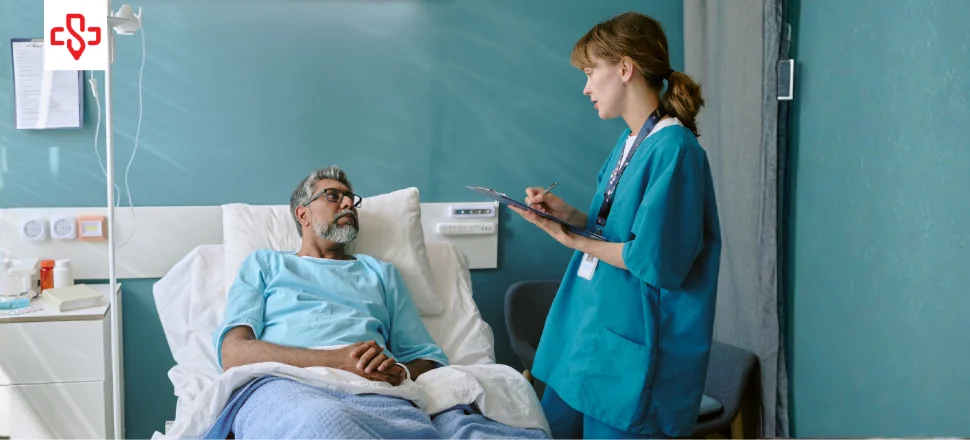
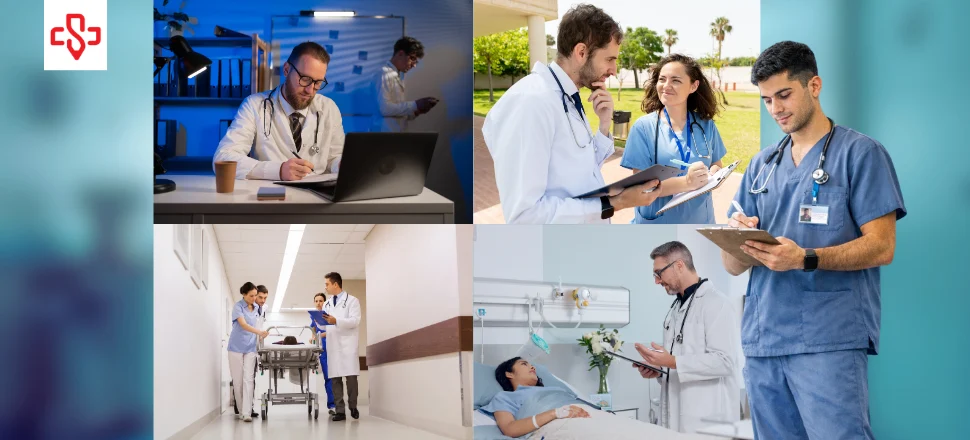
Traditional shadowing, volunteer work, or classroom simulations cannot replicate the intensity and realism of live medical scribing. Scribes are embedded directly in patient encounters — not observing from the sidelines, but actively participating in the documentation process while absorbing every aspect of clinical decision-making.
Medical scribing for training doctors offers unique advantages:
- Side-by-side work with attending physicians during real patient encounters
- Deep exposure to clinical workflows, medical terminology, differential diagnosis, and EMR navigation
- Firsthand observation of patient-provider communication, physical exams, and bedside manner
- Understanding of how clinical reasoning translates into structured documentation (SOAP notes, orders, discharge plans)
This level of immersion is highly predictive of success in medical training. According to the Association of American Medical Colleges (AAMC), “Experiences that provide real-world immersion in clinical settings are among the strongest predictors of success in medical training.” Former scribes consistently report stronger applications, better interviews, and smoother transitions into residency or advanced practice programs.
Immediate Benefits for Current Providers
While aspiring clinicians gain invaluable experience, practicing physicians and care teams benefit simultaneously from highly motivated scribes.
- Exceptional Documentation Quality
Scribes who view the role as career preparation bring exceptional focus, attention to detail, and ambition. This often results in more accurate, thorough, and timely notes. Research shows that 69% of medical scribe program participants apply to health professional schools, with approximately 70% of those applicants accepted — a testament to their dedication and performance. - Stronger Team Integration & Anticipation
Aspiring clinicians quickly learn to anticipate provider needs, recognize workflow patterns, and adapt to individual documentation styles — making them valuable team members from day one. - Reduced Long-Term Training Burden
When hospitals hire scribes with clear intentions to pursue clinical careers, they are effectively pre-training future residents, PAs, NPs, or attending physicians in their own systems, EMR platforms, and institutional culture.
Emergency Departments: The Ultimate Training Ground
Few clinical environments offer better preparation than the emergency department. The high acuity, rapid pace, diagnostic uncertainty, and multidisciplinary nature of ED cases create an unparalleled learning laboratory for future providers.
ED medical scribes not only produce real-time, high-quality documentation but also:
- Observe diagnostic reasoning across dozens of specialties in a single shift
- Learn to prioritize and filter critical information amid chaos and interruptions
- Develop resilience, situational awareness, and composure under pressure — core competencies for any future clinician
“The best med students and residents I’ve worked with were former scribes. They already understand the workflow, the language, and the pace before they ever start residency.” — Emergency Physician, AMA News
Specialty Clinics: Building Depth & Specialization Early
In cardiology, dermatology, orthopedics, urology, and other focused specialties, scribes gain depth rather than breadth. They become proficient in procedure notes, diagnostic test interpretation, chronic disease management documentation, and specialty-specific billing nuances.
This dual benefit is powerful:
- Clinics gain highly trained, specialty-familiar scribes who understand their unique documentation requirements
- Scribes acquire targeted clinical knowledge that strengthens applications to PA, NP, or medical school programs
For smaller or private practices, scribing also serves as a long-term recruitment strategy — many former scribes return years later as fully licensed providers already familiar with the clinic’s culture, EMR, and patient population.
Why Live, In-Person Scribing Outperforms Remote for Training Value
Remote or virtual scribing models are valuable for documentation support, but they fall short as training platforms.
- Limited Observational Learning: Remote scribes cannot see nonverbal cues, physical exam findings, or environmental context
- Weaker Team Integration: They remain external to the care team dynamic, missing the interpersonal and collaborative aspects of medicine
- Reduced Immersion & Motivation: The role can feel more transactional, reducing the educational impact and long-term career preparation value
For organizations and individuals who view medical scribing as a serious training pathway, live, on-site models remain far superior.
Retention, Pipeline, & Workforce Development Benefits for Hospitals
Healthcare systems face persistent provider shortages, high turnover costs, and onboarding challenges. Investing in medical scribing for training doctors creates a sustainable talent pipeline:
- Recruitment Advantage: Former scribes are significantly more likely to return as residents, fellows, PAs, NPs, or attending physicians
- Lower Onboarding & Training Costs: They already know the EMR, institutional protocols, documentation standards, and team dynamics
- Cultural & System Fit: Having worked within the organization previously, they integrate faster and contribute more quickly
This “grow your own” approach helps hospitals address long-term staffing needs while improving immediate documentation quality and provider satisfaction.
The Patient Experience: Indirect but Powerful Benefits
Patients benefit when scribes are motivated future clinicians. Engaged, learning-focused scribes tend to produce more accurate, complete, and thoughtful documentation — leading to:
- More comprehensive records for continuity of care
- Smoother patient flow and reduced wait times
- Providers who can remain fully present and attentive during visits
Over time, patients may even encounter the same individuals again — this time as fully trained physicians, PAs, or NPs who already understand their medical history and the health system’s processes.
Conclusion: Medical Scribing for Training Doctors — Dual Value Today & Tomorrow
Live medical scribing delivers immediate operational benefits: accurate real-time documentation, reduced provider burnout, improved throughput, and stronger revenue protection. But its long-term value is even greater — it serves as one of the most effective clinical training platforms available, preparing the next generation of doctors, PAs, and advanced practice providers.
For hospitals and health systems, medical scribing for training doctors is both a present-day solution and a future-proof strategy. It addresses today’s documentation burden while cultivating tomorrow’s workforce — a rare dual-purpose investment in an era of provider shortages and rising care demands.
Ready to implement a scribe program that supports your current team and builds your future one? Partner with Scribe.ology for customized live scribing solutions that deliver results today and talent tomorrow. Request a consultation today.