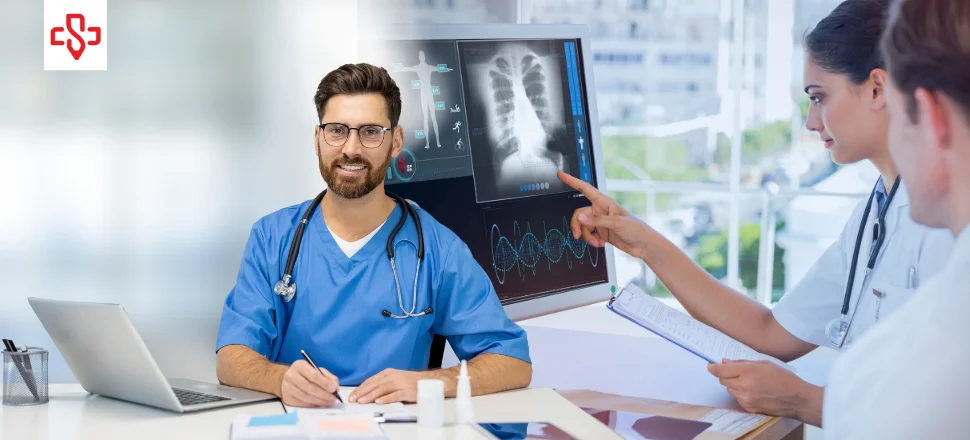
Modern healthcare runs on data. Diagnostic imaging, lab results, real-time monitoring, specialist input, and treatment decisions generate vast amounts of information during every patient encounter. While this data empowers better clinical decisions, it also creates a heavy documentation burden for physicians. Clinical data capture by medical scribes bridges that gap — ensuring complex information is documented accurately, efficiently, and in real time so providers can focus on care rather than clerical overload.
Medical scribes don’t just transcribe; they actively organize, structure, and integrate clinical data into the EHR. As healthcare becomes more technology-driven, the precision and speed of clinical data capture by medical scribes make them essential partners in delivering high-quality, data-informed medicine.
The Challenge of Complex Clinical Data in Modern Medicine
Today’s patient encounters involve multiple data streams:
- Radiology and advanced imaging (X-rays, CT, MRI, ultrasound, PET)
- Laboratory values and pathology reports
- Real-time monitoring (vitals, telemetry, wearable data)
- Multidisciplinary team discussions and consultant notes
- Treatment plans, orders, referrals, and follow-up instructions
Physicians must interpret this information, explain it clearly to patients, and document it thoroughly — often within short appointment windows. When providers split attention between patients and the EMR, accuracy suffers, frustration rises, and patient experience declines. Clinical data capture by medical scribes addresses this challenge head-on, particularly in diagnostic-heavy specialties (cardiology, oncology, neurology, orthopedics) and hospital settings.
What Clinical Data Capture by Medical Scribes Really Means
Clinical data capture by medical scribes is the accurate, real-time recording and structuring of all relevant medical information generated during an encounter. Unlike basic transcription, scribes actively interpret context, organize findings, and ensure completeness within EHR workflows.
Key elements captured include:
- Provider observations, physical exam findings, and clinical reasoning
- Interpretation and relevance of imaging, labs, and test results
- Patient-reported history, symptoms, and concerns
- Differential diagnoses, assessments, and treatment plans
- Orders, referrals, counseling, and follow-up instructions
Studies show physicians spend about one-third of their workday on EHR tasks — making efficient, accurate clinical data capture by medical scribes essential for both documentation quality and provider focus.
How Medical Scribes Excel at Capturing Complex Clinical Data
1. Real-Time Capture of Imaging & Diagnostic Discussions
In specialties reliant on imaging (cardiology, pulmonology, orthopedics, oncology, emergency medicine), providers frequently review scans during visits. Clinical data capture by medical scribes ensures these discussions are documented precisely:
- Exact imaging findings as described by the provider
- Clinical correlation and relevance to the patient’s presentation
- How results support, refine, or rule out diagnoses
- Decisions directly influenced by visual or diagnostic data
This preserves not just the raw result but the provider’s thought process — critical for continuity, legal defensibility, and accurate coding.
2. Real-Time, Structured Documentation During Encounters
Scribes document as the visit unfolds — eliminating memory-based errors and delayed entries. Benefits include:
- Immediate capture of evolving details (no forgotten findings)
- Structured notes that follow SOAP format or specialty templates
- Charts ready for review and sign-off before the next patient
Real-time clinical data capture by medical scribes keeps records current and usable for immediate handoffs, referrals, and follow-up care.
3. Precision in High-Complexity & Multi-Data Cases
Complex patients involve layers of information — comorbidities, conflicting test results, evolving plans. Scribes help ensure nothing is lost or misaligned:
- Clear documentation of differential diagnoses and reasoning
- Accurate linking of imaging/labs to assessments and orders
- Consistent tracking of changes across multidisciplinary input
This precision improves patient safety, supports proper coding, and strengthens defensibility during audits or reviews.
Integration with Advanced Healthcare Technology
As EHRs, clinical dashboards, AI-assisted imaging, and remote monitoring expand, documentation demands grow. Clinical data capture by medical scribes helps providers harness these tools without being overwhelmed by them.
- EHR Mastery — Scribes are trained across major platforms (Epic, Cerner, athenahealth, etc.) and specialty templates.
- Data-Heavy Visits — Scribes capture insights from on-screen imaging, analytics, and decision-support tools in real time.
- Interoperability Support — They ensure data flows correctly between systems for care coordination.
Reducing Burnout While Elevating Clinical Excellence
Documentation burden is a leading driver of physician burnout. After-hours charting and mental fatigue from managing complex data drain energy and focus.
Clinical data capture by medical scribes delivers relief:
- Eliminates most after-hours charting
- Restores work-life balance and mental clarity
- Allows providers to focus fully on diagnosis, treatment, and patient connection
- Increases efficiency during clinical hours
Less burdened providers deliver higher-quality, more compassionate care — a direct win for patients and practice sustainability.
Broader Benefits of Clinical Data Capture by Medical Scribes
Better Care Coordination
Accurate, timely records enable seamless handoffs between primary care, specialists, hospitals, and post-acute teams — reducing errors and duplication.
Stronger Compliance & Audit Readiness
Complete, structured notes meet regulatory, payer, and quality standards — lowering denial rates and audit risk.
Enhanced Patient Experience
Providers freed from typing can maintain eye contact, explain findings clearly, and build trust — directly improving satisfaction and adherence.
The Future of Data-Driven Care Relies on Skilled Scribes
As healthcare accelerates toward value-based models, AI-assisted diagnostics, and population health management, the need for precise, timely clinical data capture by medical scribes will only grow. Scribes don’t replace technology — they make it usable, ensuring data serves clinicians and patients rather than overwhelming them.
Conclusion
From real-time imaging discussions to multidisciplinary care plans, clinical data capture by medical scribes turns complex information into accurate, actionable records. Their expertise supports better decisions, smoother workflows, reduced provider burnout, and elevated patient experiences.
As healthcare continues to evolve, medical scribes remain a cornerstone of effective, data-driven medicine — bridging advanced diagnostics with clear, compliant, and compassionate documentation.
Ready to reduce documentation fatigue and elevate clinical efficiency? Request a personalized quote from Scribe.ology today and experience HIPAA-compliant, highly trained medical scribes — onsite or virtual — that help providers spend less time charting and more time delivering exceptional patient care.