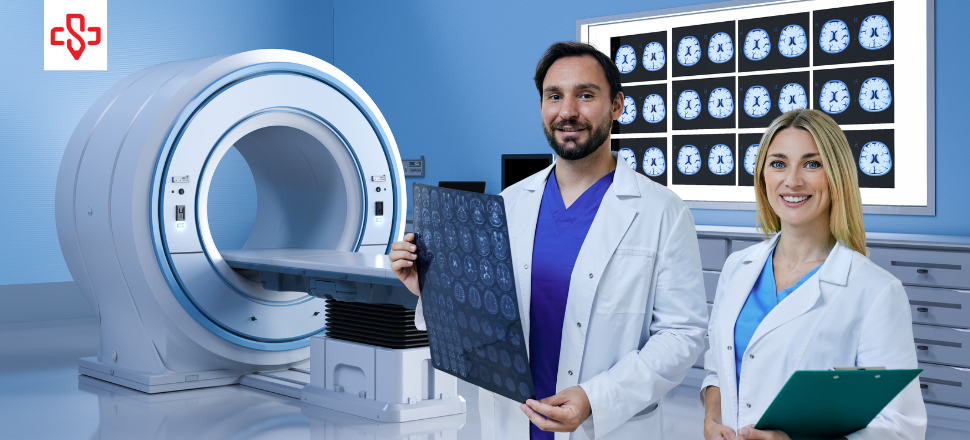
Neurology clinics are facing unprecedented pressure as patient volumes continue to rise. Aging populations, improved diagnostic awareness, and the growing prevalence of chronic neurological conditions such as migraines, epilepsy, Parkinson’s disease, and dementia have all contributed to higher demand for neurological care. Each patient encounter in neurology is often complex, requiring detailed histories, comprehensive neurological examinations, and careful documentation of disease progression. As a result, clinics must find sustainable ways to manage this growing workload while maintaining clinical accuracy and patient-centered care. Medical scribes in neurology have emerged as a practical solution to this challenge.
By handling real-time charting and administrative tasks, medical scribes enable clinics to accommodate higher patient volumes without compromising accuracy or quality of care.
Documentation Complexity in Neurological Care
Neurology is among the most documentation-intensive medical specialties. Neurologists must record subtle clinical findings, imaging interpretations, medication changes, and long-term symptom patterns. Unlike brief acute-care visits, neurological consultations often involve nuanced discussions and extensive note-taking. When patient volumes increase, the documentation burden grows disproportionately, slowing clinic flow and limiting appointment availability. Without additional support, neurologists may struggle to keep pace, leading to longer wait times and increased administrative strain.
The Impact of Administrative Burden on Patient Throughput
Administrative workload directly affects how many patients a neurology clinic can realistically see in a day. Research indicates that physicians spend nearly 40–50% of their workday on electronic health record documentation and related administrative tasks, significantly reducing the time available for direct patient care. In neurology, where visits are already lengthy, this time imbalance becomes a major barrier to handling increasing patient volumes efficiently. Medical scribes help rebalance this workload by taking responsibility for real-time clinical documentation.
Improving Accuracy Through Structured Documentation Support
Medical scribes support neurologists by documenting patient encounters as they occur, capturing histories, examination findings, and care plans in real time. As clinics scale, maintaining accuracy becomes just as important as speed. This is where quality assurance in medical scribing plays a critical role. Trained scribes follow standardized documentation protocols, ensure required elements are consistently recorded, and reduce the risk of omissions caused by rushed workflows. Accurate, complete documentation supports continuity of care and enables clinics to safely manage higher patient volumes.
Measurable Efficiency Gains with Medical Scribes
The operational benefits of medical scribes are supported by measurable data. Studies have shown that clinics using medical scribes can increase patient visit capacity by approximately 10–15% without extending clinic hours. Additional research indicates that physician documentation time can be reduced by up to 30%, allowing neurologists to focus more on clinical decision-making rather than data entry. These gains help neurology clinics accommodate growing demand while preserving documentation quality and provider efficiency.
Supporting Sustainable Growth and the Future of Neurology Practices
As neurology clinics continue to evolve, the future of medical scribing is closely linked to sustainable growth and specialization. Scribes are increasingly trained in neurology-specific terminology, examination formats, and disease progression documentation. Virtual and hybrid scribing models are also expanding, giving clinics flexible options to support multiple providers or locations. These advancements allow neurology practices to scale operations without sacrificing accuracy, consistency, or clinician well-being.
Enhancing Patient Experience Despite Higher Volumes
Rising patient volumes often raise concerns about rushed visits and reduced patient engagement. Medical scribes help mitigate this risk by allowing neurologists to maintain eye contact, listen attentively, and communicate more clearly during appointments. When physicians are not focused on typing or navigating EHR systems, patients often feel more heard and supported. In neurology, where patients may struggle to describe complex or distressing symptoms, this improved interaction is particularly valuable.
Reducing Burnout Among Neurologists
Physician burnout is a growing concern in neurology, driven largely by documentation overload and after-hours charting. Medical scribes help reduce this burden by managing notes during clinic hours, minimizing the need for evening or weekend documentation. By improving work-life balance, scribes support long-term provider retention and help clinics maintain experienced neurology teams capable of managing higher patient volumes over time.
Conclusion
As demand for neurological care continues to rise, clinics must balance efficiency, accuracy, and patient experience. Medical Scribes in Neurology play a vital role in helping clinics handle increasing patient volumes by reducing documentation burden, improving workflow efficiency, and supporting high-quality clinical records also in rural areas. Through structured documentation, measurable productivity gains, and scalable support models, medical scribes enable neurology clinics to expand access to care while maintaining the standards essential to effective neurological treatment.