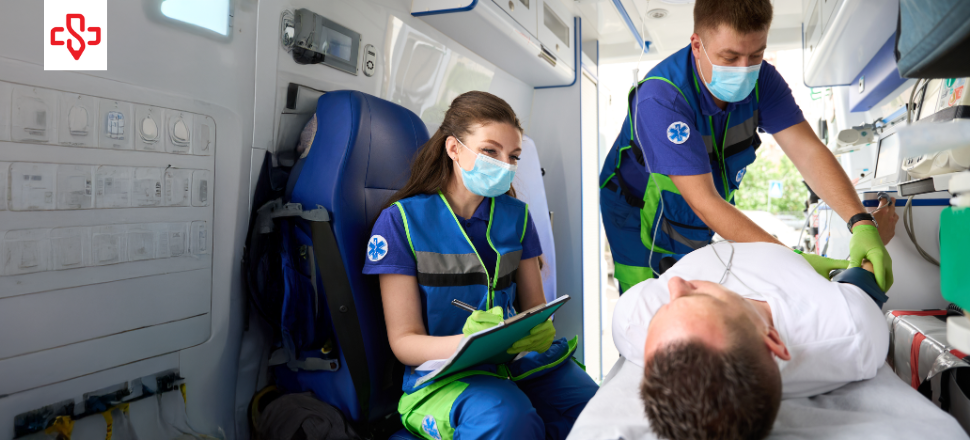
Protecting patient health information remains a top priority in healthcare. Moreover, electronic health records (EHRs) are growing, and HIPAA regulations are stricter than ever. As a result, clinicians must balance high-quality care with secure, accurate documentation. Live Medical Scribes PHI actively safeguard sensitive data and let providers focus on patient care instead of paperwork.
Documentation Security Challenges and the Value of Live Scribes
Emergency departments and outpatient clinics face rising documentation complexity. For example, in some practices, providers spend more than 50% of their time interacting with EHRs, which creates backlogs and raises the risk of errors. In addition, many organizations now use medical scribe outsourcing to manage high documentation volumes while maintaining data security and compliance.
Traditional documentation methods can leave PHI exposed due to transcription delays, inconsistent access controls, and late chart reconciliation. However, live medical scribes capture clinical data in real time, reducing the window of exposure for incomplete records. They also minimize after-hours chart corrections, which are a common source of inadvertent PHI errors.
How Live Scribes Support Secure PHI Documentation
Live medical scribes work alongside providers during patient encounters. Consequently, they enter clinical information accurately and promptly into the EHR. This reduces reliance on memory and lowers the risk of missing or incomplete entries that could compromise PHI.
Moreover, scribes follow standardized documentation protocols and privacy practices, ensuring secure PHI handling throughout each encounter. In addition, their presence allows clinicians to maintain patient rapport and eye contact without being distracted by screen interaction, as explained in live scribes help providers.
Key Secure Documentation Practices with Live Scribes
| Secure Practice | How It Protects PHI |
|---|---|
| Real-time EHR entry | Reduces data gaps and limits after-the-fact charting errors |
| Standardized templates | Ensures consistent and compliant documentation |
| Access control protocols | Restricts EHR access to authorized users only |
| Secure remote access | Supports encrypted, HIPAA-compliant scribing environments |
Reducing Errors and Enhancing Accuracy
A study published in BMC Primary Care found that documentation errors were extremely common in medical records and were linked to high potential for serious harm when clinical decisions were made with incomplete documentation. In this study, documentation errors occurred in nearly all records reviewed, and about 40% of errors had the potential to cause serious harm. Live medical scribes capture data at the point of care, protecting patient safety and PHI integrity.
By documenting orders, updates, and clinical narratives in real time, scribes minimize transcription errors and reduce the chance of leaving gaps that could compromise sensitive data.
Security Beyond the Visit: Remote and Hybrid Scribing Models
As telehealth and hybrid care models expand, live medical scribes ensure secure documentation across all platforms. Furthermore, their real-time capture strengthens EHR completeness and safeguards data. In addition, live scribes notice subtle contextual details that remote-only scribes might miss, as discussed in what live medical scribes see.
This adaptability is crucial in fast-paced emergency or hybrid care scenarios, where PHI protection cannot slow down care or clinician workflow.
Patient Experience and Data Protection
Accurate, secure documentation improves patient satisfaction by reducing errors, enhancing communication, and building trust. Moreover, documentation support can enhance satisfaction scores in high-acuity settings, as noted in how live medical scribes improve patient satisfaction.
Provider Focus and Burnout Mitigation
Documentation burden drives clinician burnout. When providers must chart outside patient interactions, stress, fatigue, and inefficiency increase. Consequently, live scribes take on much of this workload, allowing providers to focus on diagnosis, treatment, and patient engagement. This significantly reduces documentation errors and compliance risks.
Furthermore, when scribes integrate into care teams, physicians report higher satisfaction and decreased after-hours charting, reinforcing both PHI protection and clinician well-being.
Compliance, Audits, and Regulatory Readiness
Compliance with HIPAA and other standards requires complete, accurate documentation. Live scribes ensure thorough and timely entry into the EHR, helping healthcare organizations meet audit requirements and reduce risk exposure.
Conclusion: A Strategic Investment in Secure Documentation
Protecting patient health information is essential for quality care and regulatory compliance. Moreover, live medical scribes enhance secure documentation by capturing accurate data in real time, reducing errors, and allowing clinicians to focus on patient-centered care.
As healthcare evolves with hybrid care models, live scribes maintain strong PHI safeguards while improving workflow efficiency and clinician satisfaction. Therefore, healthcare organizations looking to elevate documentation security and support long-term compliance can partner with trained scribe professionals like those at Scribe.ology for measurable value and confident PHI protection.