
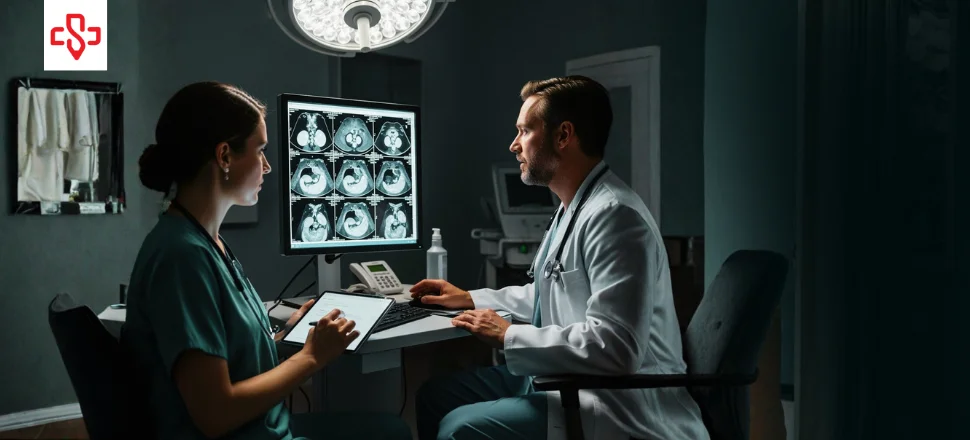
Gastroenterology clinics manage a diverse patient population, ranging from routine digestive complaints to chronic liver and bowel diseases. Every visit involves reviewing lab results, imaging studies, medication lists, dietary habits, and procedural notes. While physicians strive to provide comprehensive care, these administrative tasks often consume valuable time, slowing clinic efficiency and reducing meaningful patient interactions. Integrating medical scribes for gastroenterology into your practice is an effective solution to improve workflow, enhance patient satisfaction, and maintain accurate documentation.
Streamlining Clinical Workflow
Medical scribes play a crucial role in streamlining clinic operations by documenting patient encounters in real time. They record patient histories, symptoms, medications, diagnostic tests, and treatment plans while the physician focuses on the patient. In gastroenterology clinics, visits can range from routine check-ups to complex procedures like colonoscopies and endoscopies. By delegating documentation to scribes, physicians can maintain schedules without compromising the quality of care.
Scribes also help reduce delays, manage high patient volumes, and optimize appointment scheduling. For example, a meta-analysis found that clinicians using scribes saw an increase of about 0.30 additional patients per hour on average per physician, compared with non‑scribe sessions.
Enhancing Patient Interaction and Satisfaction
One of the most significant benefits of using medical scribes for gastroenterology clinics is the improvement in patient-physician interaction. When doctors are not preoccupied with typing notes or updating charts, they can dedicate their full attention to the patient. In gastroenterology, where patients often discuss sensitive health issues, this level of engagement is critical.
Patients who feel fully heard are more likely to trust their physician, follow treatment recommendations, and attend follow-up appointments. By allowing physicians to spend more time listening, explaining procedures, and answering questions, scribes directly contribute to higher patient satisfaction and stronger patient relationships.
Ensuring Accuracy and Compliance
Accurate documentation is essential for patient safety, continuity of care, and compliance with healthcare regulations. Medical scribes are trained to record every detail accurately, including medications, lab results, procedural outcomes, and follow-up instructions.
In gastroenterology clinics, where patients may have chronic or complex conditions, precise documentation ensures better coordination among physicians, nurses, dietitians, and other care team members. It also minimizes the risk of errors, supports proper billing, and maintains regulatory compliance — all vital for sustaining a high-quality gastroenterology practice.
Reducing Physician Burnout
Administrative work is one of the leading causes of physician burnout. Gastroenterologists often spend hours updating charts, documenting procedures, and managing EHR entries, in addition to patient care responsibilities. By using medical scribes, physicians can delegate these time-consuming tasks and reclaim valuable time during and after clinic hours.
Reducing clerical burdens allows physicians to focus on patient care, leading to improved job satisfaction, less stress, and a healthier work-life balance. Clinics that implement scribes often report lower physician turnover and higher overall morale, making it easier to maintain an efficient, sustainable practice.
Financial Benefits
Medical scribes can also deliver tangible financial advantages. By enabling physicians to see more patients, reducing documentation errors, and minimizing claim denials, scribes help optimize revenue.
Many practices have analyzed the ROI of medical scribing and found that it often exceeds the cost of hiring a scribe. Increased patient throughput, faster billing cycles, and more accurate coding contribute to a strong return on investment. For gastroenterology clinics, these financial benefits are particularly valuable given the procedural and chronic care demands that require detailed documentation.
Choosing the Right Scribe Model
Gastroenterology clinics have multiple options when selecting a scribe to fit their workflow. Clinics can choose on-site scribes who work alongside physicians, virtual scribes who provide remote documentation, or scribes trained in gastroenterology-specific procedures and terminology.
Understanding the types of medical scribes available allows a clinic to match resources to patient volume and complexity. Specialty-trained scribes are especially valuable for clinics performing endoscopic procedures, while virtual scribes offer flexibility for telemedicine appointments or fluctuating workloads. Selecting the appropriate scribe model ensures seamless integration into daily operations and optimal support for physicians.
Supporting Team Coordination and Long-Term Care
Medical scribes improve team collaboration by keeping patient records organized and accessible. Nurses, dietitians, and other healthcare staff can quickly access the latest updates, lab results, and follow-up instructions.
This organized documentation is particularly important for patients with chronic gastrointestinal conditions, such as inflammatory bowel disease or liver disorders, where ongoing monitoring and timely interventions are essential. Scribes help maintain consistent communication across the care team, ensuring that patient care is continuous and well-coordinated.
Enhancing Procedure Management
In gastroenterology, many patients undergo complex procedures like colonoscopies, endoscopies, or biopsies. Scribes can document procedural details, anesthesia records, post-procedure instructions, and follow-up recommendations in real time.
This improves healthcare documentation accuracy and also allows the physician to focus on performing the procedure safely and effectively. Having a scribe available during procedural days ensures that the clinic maintains efficiency without compromising the quality of care or patient safety.
Improving Patient Outcomes
Scribes contribute to better patient outcomes by ensuring timely and accurate documentation. Comprehensive notes support appropriate follow-ups, proper medication adjustments, and coordinated care.
In chronic conditions common to gastroenterology, such as liver disease or inflammatory bowel disease, this level of precision helps reduce complications, enhances disease management, and supports improved overall patient health.
Transform Your Gastroenterology Clinic with Professional Scribes
Medical scribes for gastroenterology clinics provide a comprehensive solution to challenges related to workflow, documentation, patient engagement, and revenue. By selecting the right scribe model — whether on-site, virtual, or specialty-trained — clinics can streamline operations, improve patient satisfaction, reduce physician burnout, and achieve measurable financial benefits.
If your gastroenterology clinic is ready to optimize workflow, enhance patient care, and maximize revenue, get a quote to explore professional scribe solutions. Invest in medical scribes to transform your clinic’s efficiency and patient experience today.