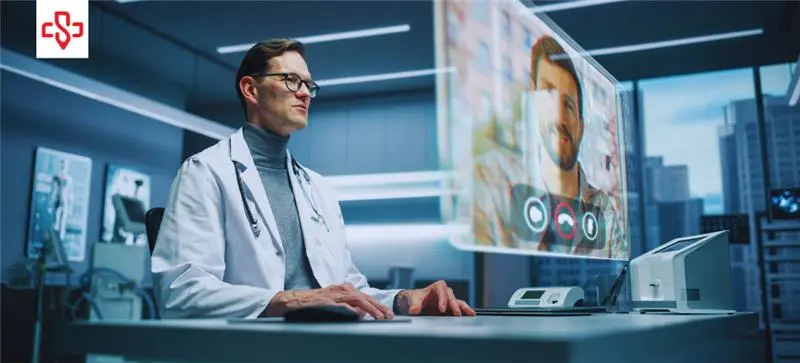
Telehealth has rapidly transformed from a supplemental care option into a core component of modern healthcare delivery. Hospitals, clinics, and specialty practices increasingly rely on virtual visits to expand access, improve convenience, and maintain continuity of care. However, as telehealth adoption grows, so do the challenges associated with documentation, clinician workload, and patient engagement. This is where medical Scribes in Telehealth play a critical role, helping healthcare organizations deliver efficient, accurate, and patient-centered virtual care.
Virtual consultations require clinicians to manage clinical decision-making, patient communication, and electronic health record (EHR) documentation simultaneously. Unlike traditional in-person visits, telehealth encounters rely heavily on technology, making documentation more complex and time-sensitive. Without proper support, providers may struggle to balance these demands, leading to reduced efficiency, documentation errors, and increased burnout.
Understanding Medical Scribes in Telehealth
Trained documentation professionals, called medical scribes, work remotely alongside clinicians during virtual visits.
They securely join telehealth sessions and document patient histories, symptoms, assessments, and care plans in real time under provider direction. Their role mirrors that of in-person scribes but is tailored specifically to virtual care environments.
This model ensures that documentation remains accurate, complete, and timely while providers concentrate on diagnosis, treatment planning, and patient communication. As telehealth volumes continue to increase, this medical scribes has become essential for maintaining documentation quality and operational efficiency.
Improving Documentation Accuracy and Consistency
Accurate documentation is essential for patient safety, care continuity, compliance, and reimbursement. In telehealth settings, even small documentation gaps can lead to misunderstandings, delayed care, or billing issues. Medical scribes help prevent these problems by ensuring that all relevant clinical details are captured accurately during the encounter.
Scribes follow standardized templates, provider preferences, and documentation protocols, promoting consistency across virtual visits. This consistency improves chart quality and supports safer clinical decision-making, particularly when patients transition between providers or care settings.
Reducing Documentation Burden in Virtual Care
Studies show that clinicians spend nearly 50% of their total workday on EHR and documentation tasks, with a significant portion occurring outside scheduled patient visits, contributing to increased fatigue and burnout.
Medical Scribes in Telehealth directly address this issue by handling documentation tasks as the visit unfolds. Real-time charting minimizes reliance on memory, reduces after-visit documentation, and supports same-day chart completion. As a result, clinicians experience improved workflow efficiency and reduced after-hours work.
In this evolving care model, medical scribe add values by providing real-time documentation support that allows clinicians to focus on what matters most: the patient. By capturing accurate clinical information during the encounter, scribes enhance telehealth workflows and help providers deliver higher-quality virtual care without added administrative strain.
Enhancing Provider–Patient Engagement
Effective communication is the foundation of successful telehealth consultations. Patients expect their providers to listen attentively, explain conditions clearly, and engage meaningfully—even through a screen. When clinicians are distracted by typing or navigating EHR systems, patient engagement can suffer.
With a medical scribe managing documentation, providers can maintain eye contact, ask thoughtful follow-up questions, and build stronger rapport with patients. This improved interaction often leads to higher patient satisfaction, better understanding of care plans, and improved adherence to treatment recommendations.
Supporting Efficient Telehealth Workflows
In the post-telehealth boom era, telehealth schedules are often tightly structured, leaving little room for delays. Documentation backlogs can quickly disrupt workflows and reduce the number of patients a provider can see in a day. Medical scribes streamline telehealth operations by ensuring charts are completed during or immediately after visits.
This efficiency allows healthcare organizations to optimize appointment schedules, reduce delays, and improve overall productivity. Over time, these workflow improvements contribute to better resource utilization and operational sustainability.
Reducing Burnout Among Telehealth Providers
Clinician burnout remains a major concern across healthcare, and documentation demands are a leading contributor. Telehealth, while flexible, can intensify this burden if providers are responsible for extensive after-hours charting.
Medical scribes help reduce burnout by alleviating administrative workload and allowing clinicians to focus on clinical care during scheduled hours. Providers who work with scribes often report improved job satisfaction, better work-life balance, and reduced stress associated with documentation.
Strengthening Compliance, Coding, and Revenue Cycle Performance
Accurate and complete documentation is critical for regulatory compliance, quality reporting, and proper reimbursement. Telehealth visits often involve complex billing and documentation requirements, making accuracy especially important.
Medical scribes help ensure that required documentation elements are consistently captured, supporting accurate coding and reducing claim denials. This attention to detail strengthens audit readiness and contributes to improved revenue cycle performance for healthcare organizations.
Scalability and Flexibility of Telehealth Scribing
One of the key advantages of medical scribing in telehealth is scalability. Remote scribes can support providers across multiple locations, departments, and specialties without geographic limitations. This flexibility allows healthcare organizations to scale documentation support based on patient volume and clinical demand.
Whether supporting primary care, specialty clinics, or behavioral health services, medical scribes adapt to diverse telehealth workflows and documentation needs.
The Growing Importance of Medical Scribes in Telehealth
As telehealth continues to evolve, the role of medical scribes will become increasingly central to virtual care delivery. Advances in secure communication platforms and EHR integration are making telehealth scribing more seamless and effective.
Healthcare organizations that integrate medical Scribes in Telehealth are better positioned to manage documentation complexity, support clinician well-being, and deliver high-quality virtual care.
Conclusion
Medical scribes play a vital role in enhancing telehealth consultations by improving documentation accuracy, streamlining workflows, and strengthening provider–patient interactions. By reducing administrative burden and supporting real-time charting, scribes enable clinicians to focus on delivering compassionate, effective virtual care.
Ready to strengthen your telehealth documentation and provider efficiency? Get a quote today and discover how professional medical subscribing can support your virtual care goals.