
Healthcare providers across specialties face mounting documentation demands that compete with time spent on patient care. Electronic health records, compliance requirements, and detailed charting expectations have made clinical documentation one of the leading contributors to provider stress and burnout. To address this challenge, many organizations turn to scribes—but the choice between on-site and virtual models remains a critical decision. When evaluating in-person medical scribes vs remote scribes, a significant number of practices continue to favor in-person support for its consistency, adaptability, and impact on clinical workflows.
Medical scribing has evolved from a simple documentation aid into a core operational strategy. While remote options offer flexibility, many practices find that physical presence delivers benefits that are difficult to replicate virtually.
Understanding the Two Scribing Models
At a basic level, both in-person and remote scribes aim to reduce the documentation burden on clinicians. However, how they function within a practice differs substantially.
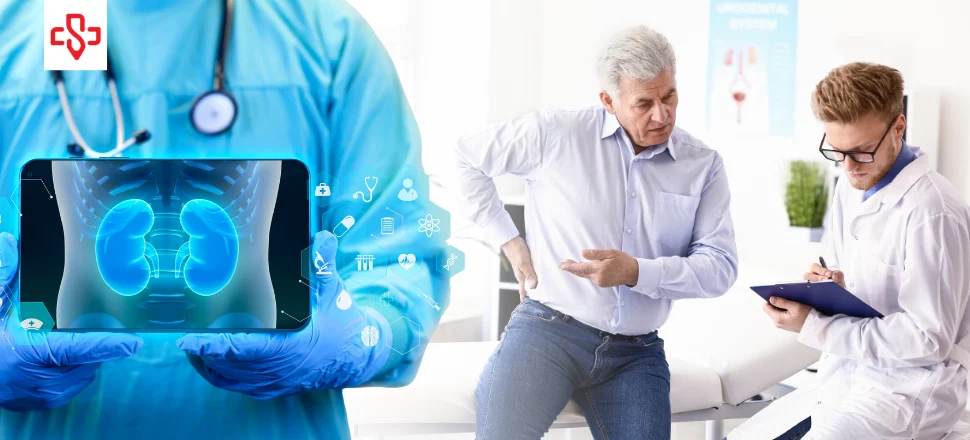
In-person medical scribes work alongside providers during patient encounters. They observe exams, listen to clinical discussions, and document directly into the EHR in real time. Remote scribes, on the other hand, complete documentation from an off-site location using secure audio or video connections.
Although both models can improve efficiency, their effectiveness often depends on clinical setting, patient complexity, and workflow demands.
Real-Time Presence Enhances Clinical Context
One of the most compelling reasons practices prefer in-person scribes is their ability to capture the full clinical picture. Research shows that medical scribes are associated with improved documentation quality, including increased physician satisfaction with chart accuracy and timeliness of note completion when compared to unscribed visits. For example, one randomized trial found that scribes significantly improved physician perceptions of chart quality and accuracy and increased the likelihood of closing charts within 48 hours.
Physical presence allows scribes to observe nonverbal communication, physical exam findings, and environmental cues—factors that research suggests account for more than half of clinical communication—which may not be fully conveyed through audio alone.
This contextual awareness leads to more accurate, detailed documentation. Providers spend less time clarifying notes or making corrections later, which improves chart quality and reduces after-hours work. In contrast, remote scribes rely heavily on what they can hear or see through technology, which can limit nuance in complex encounters.
Seamless Communication With Providers
In-person scribes enable immediate, natural communication. Providers can clarify findings, adjust documentation, or request changes instantly without interrupting patient flow. This real-time interaction feels intuitive and supports efficient care delivery.
In particular, live scribes in high-acuity care environments play a crucial role in supporting clinicians where speed, accuracy, and situational awareness are essential.
Remote scribing often requires deliberate verbal cues or follow-up messages, which can slow workflows—especially in busy clinics or hospitals. Over time, the ease of face-to-face communication with in-person scribes becomes a key operational advantage.
Reliability Without Heavy Technology Dependence
Remote scribing depends on stable internet connections, clear audio, and secure platforms. Any technical disruption—such as lag, dropped connections, or poor sound quality—can affect documentation accuracy or timeliness.
In-person scribes reduce these risks. By working directly within the clinical environment, they eliminate many technology-related barriers and provide consistent documentation support even during peak patient volumes or unexpected surges.
Superior Performance in High-Acuity Settings
Emergency departments, trauma centers, and specialty practices operate at a fast and often unpredictable pace. Providers move rapidly between patients, procedures, and decision points.
In-person scribes are uniquely equipped to handle these demands. They can follow providers from room to room, adapt instantly to changing priorities, and document complex cases as they unfold. Remote scribes may be effective for scheduled or lower-acuity visits but often struggle to keep pace in high-intensity environments.
Stronger Integration With Clinical Teams
Being physically present allows scribes to become embedded members of the care team. Over time, they learn provider preferences, specialty terminology, and practice-specific workflows.
This integration improves coordination among physicians, nurses, and administrative staff. In-person scribes often anticipate documentation needs and contribute to smoother daily operations, whereas remote scribes may require more time to achieve the same level of alignment.
Improved Accuracy, Compliance, and Revenue Protection
Accurate documentation is essential for quality care, billing integrity, and legal protection. In-person scribes, by directly observing encounters, help ensure that records reflect what actually occurred during the visit.
This accuracy supports proper coding, reduces claim denials, and lowers compliance risk. For practices managing high patient volumes or complex cases, these benefits can have a meaningful impact on financial performance and audit readiness.
Positive Effects on Provider Satisfaction and Burnout
Administrative overload is a major driver of clinician burnout. In-person scribes significantly reduce the time providers spend charting during and after clinic hours.
With documentation handled in real time, clinicians can focus on patient interactions and leave work with fewer unfinished notes. Many practices report improved morale, better work-life balance, and stronger provider retention when in-person scribes are part of the team.
Looking Beyond Cost Alone
Remote scribing is often perceived as a lower-cost alternative. However, many organizations evaluate value rather than hourly expense when comparing in-person medical scribes vs remote scribes.
In-person scribes can increase patient throughput, reduce documentation errors, and support provider efficiency. When these factors are considered together, the return on investment often justifies the higher upfront cost of on-site support.
Choosing the Right Scribing Model for Your Practice
The decision between in-person and remote scribes depends on several factors, including practice size, specialty, patient acuity, and workflow complexity. Practices that prioritize adaptability, real-time accuracy, and seamless collaboration often find that in-person scribes better align with their operational needs.
Remote models remain valuable in telehealth and routine care settings, but on-site scribes continue to set the standard for high-volume and high-acuity environments.
Why Scribe.ology Is the Right Partner for In-Person Scribing
For practices seeking dependable, on-site documentation support, Scribe.ology delivers customized solutions designed for real-world clinical demands. With experienced professionals trained in medical scribing and deep expertise in live scribes in high-acuity care, Scribe.ology helps providers reduce administrative burden, improve documentation quality, and enhance patient experiences.
If your organization is evaluating in-person medical scribes vs remote scribes and wants a proven, scalable solution, take the next step today.