For many physicians, the workday does not end when the clinic closes. Instead, it continues late into the evening with electronic health record (EHR) documentation—often completed at home in pajamas. This growing phenomenon, commonly referred to as “pajama time,” has become one of the most significant contributors to physician burnout. Fortunately, Scribes Reduce Pajama Time by handling real-time documentation, allowing providers to reclaim personal hours while maintaining accurate clinical records.
Although EHR systems were designed to streamline healthcare documentation, they have introduced new administrative burdens. Physicians frequently spend hours completing notes after seeing patients all day. As a result, work-life balance suffers, stress levels rise, and overall job satisfaction declines. Implementing medical scribe solutions directly addresses this challenge.
The Scope of After-Hours Charting
According to a study published in the Annals of Internal Medicine, physicians spend nearly two hours on EHR tasks for every hour of direct patient care. Furthermore, research from the American Medical Association indicates that many physicians devote one to two additional hours each night to completing documentation at home. These trends highlight the urgent need for workflow solutions that reduce administrative overload.
When after-hours charting becomes routine, it impacts more than personal schedules. Fatigue from late-night documentation can affect clinical performance the following day. Therefore, reducing pajama time is not simply about convenience—it is about sustaining safe, high-quality patient care.
Why Pajama Time Happens
Several factors contribute to excessive after-hours charting. First, documentation requirements continue to grow due to compliance standards and payer regulations. Second, template-driven EHR systems can be time-consuming to navigate. Third, physicians often prioritize patient interaction during clinic hours, postponing detailed charting until later.
While templates and pre-set phrases may appear efficient, they can create compliance risks if misused. In fact, improper template usage may increase audit exposure. You can explore this issue further in this discussion about EHR template audit risk.
How Scribes Reduce Pajama Time in Real Practice
1. Real-Time Documentation
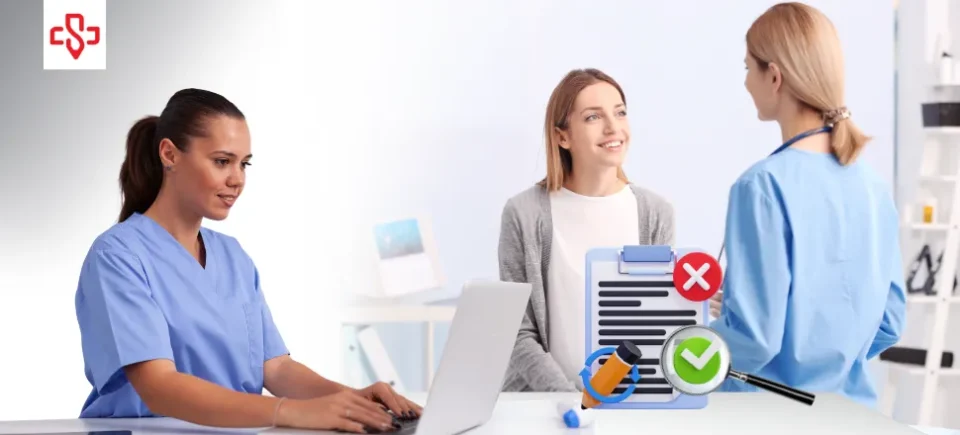
Scribes document patient encounters as they occur. Consequently, by the end of the clinic session, most notes are already complete. Physicians no longer need to dedicate evening hours to finishing charts.
2. Improved Workflow Efficiency
When documentation runs concurrently with patient visits, providers move smoothly from one encounter to the next. This reduces bottlenecks and helps prevent chart backlogs from accumulating throughout the day.
3. Greater Focus on Patient Interaction
Instead of typing during consultations, physicians maintain eye contact and engage fully with patients. This not only enhances satisfaction but also improves diagnostic accuracy and communication clarity. Learn more about how scribes contribute to improving patient care in clinical settings.
4. Enhanced Documentation Accuracy
Accurate, comprehensive notes reduce the need for later corrections. Therefore, physicians avoid revisiting charts after hours to clarify incomplete information.
Impact on Burnout and Well-Being
Burnout affects nearly half of practicing physicians in the United States, according to multiple national surveys. Administrative overload remains one of the leading causes. When Scribes Reduce Pajama Time, they directly address a key burnout driver: documentation fatigue.
By completing notes during scheduled work hours, physicians regain evenings for family, rest, and personal activities. Consequently, morale improves, retention strengthens, and overall workplace culture becomes more sustainable.
Operational and Compliance Advantages
Reducing pajama time does not mean sacrificing compliance. On the contrary, scribes are trained to ensure documentation meets regulatory standards. Thorough notes support accurate coding, reduce denial rates, and improve audit readiness.
In today’s evolving healthcare landscape, regulatory complexity continues to increase. As discussed in this overview of mission-critical medical scribing, structured documentation support is becoming essential rather than optional.
Key Benefits of Scribe Support
| Challenge | Impact Without Scribes | How Scribes Reduce Pajama Time |
|---|---|---|
| After-hours charting | 1–2 extra hours nightly | Real-time note completion during clinic hours |
| Physician burnout | Fatigue and decreased job satisfaction | Improved work-life balance |
| Documentation errors | Increased compliance risk | Accurate and structured charting |
| Patient engagement | Divided attention during visits | More face-to-face interaction |
| Revenue cycle delays | Late coding and billing submission | Timely, completed documentation |
Long-Term Organizational Benefits
Healthcare organizations that prioritize documentation efficiency experience stronger performance outcomes. Reduced burnout translates into lower turnover rates, which saves recruitment and training costs. Additionally, accurate documentation improves revenue integrity and protects against costly audits.
Furthermore, when physicians feel supported, they are more likely to remain engaged and productive. Over time, this stability fosters a healthier clinical environment for both providers and patients.
Creating a Sustainable Documentation Model
Eliminating pajama time requires intentional workflow redesign. Simply encouraging physicians to “chart faster” is not a sustainable solution. Instead, integrating trained medical scribes offers a structured approach to documentation management.
Scribes adapt to specialty-specific workflows, EHR systems, and provider preferences. Therefore, practices of all sizes—from small clinics to large hospital systems—can benefit from customized scribe programs.
Take Back Your Evenings
After-hours charting should not be an unavoidable part of medical practice. When Scribes Reduce Pajama Time, they help restore balance, improve documentation quality, and strengthen compliance—all while enhancing patient care.
If your organization is ready to reduce burnout and improve workflow efficiency, consider partnering with experienced professionals. Request a customized consultation today at Scribe.ology and discover how dedicated scribe support can transform your documentation process.