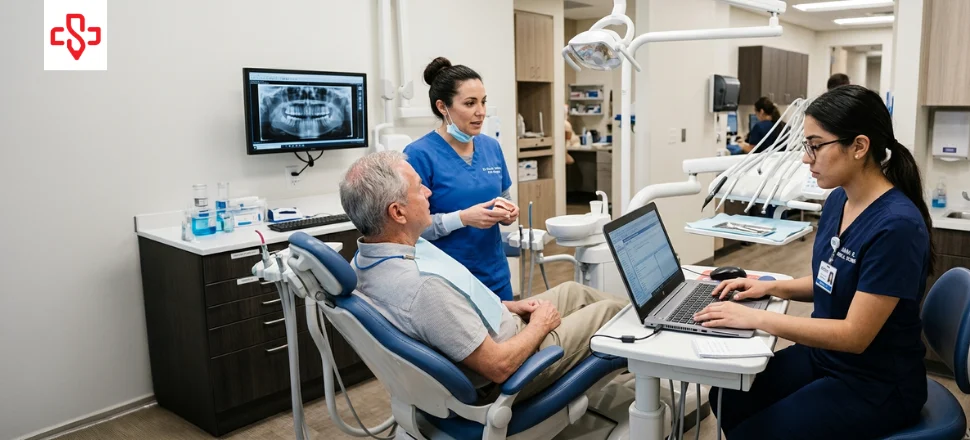

Maintaining patient privacy and data security is a fundamental responsibility in healthcare. With the growing use of electronic health records (EHRs), ensuring compliance with regulatory standards such as HIPAA has become more important than ever. In this context, Medical Scribes HIPAA Compliance plays a critical role in helping healthcare organizations manage documentation securely and accurately.
Medical scribes assist physicians by documenting patient encounters in real time while following strict privacy protocols. As a result, they help ensure that sensitive patient information is handled appropriately, reducing the risk of data breaches and compliance violations.
Understanding HIPAA Compliance in Healthcare
The Health Insurance Portability and Accountability Act (HIPAA) sets the standard for protecting sensitive patient data. Healthcare providers must ensure that all patient information is stored, accessed, and shared securely.
HIPAA compliance involves multiple components, including secure documentation practices, access control, and proper handling of patient records. Therefore, maintaining compliance requires both technology and trained personnel who understand these regulations.
The Growing Importance of Medical Scribes HIPAA Compliance
As documentation demands increase, healthcare providers face challenges in maintaining both efficiency and compliance. In fact, studies show that healthcare data breaches have increased by over 25% in recent years, highlighting the importance of secure documentation practices.
At the same time, physicians spend significant time on documentation tasks. Research indicates that providers spend nearly 1.5 to 2 hours on documentation for every hour of patient care. Consequently, this increases the likelihood of rushed or incomplete documentation, which can lead to compliance risks.
How Medical Scribes Support HIPAA Compliance
Medical Scribes HIPAA Compliance ensures that documentation processes align with privacy and security standards. Scribes are trained to follow strict protocols while assisting with clinical documentation.
1. Real-Time and Accurate Documentation
Medical scribes document patient encounters in real time, reducing reliance on memory and minimizing errors. As a result, accurate documentation supports compliance by ensuring that patient records reflect the correct clinical information.
2. Controlled Access to Patient Data
Scribes work under physician supervision and access only the information necessary for documentation. Therefore, this controlled access helps maintain data security and prevents unauthorized use of patient information.
3. Standardized Documentation Practices
Scribes follow structured templates and workflows, ensuring consistency in documentation. In turn, standardized records make it easier to meet compliance requirements and pass audits.
4. Reducing Documentation Errors
Errors in patient records can lead to compliance issues and potential legal risks. However, scribes help reduce these errors by capturing detailed and accurate information during the patient encounter.
Table: HIPAA Compliance Without vs With Medical Scribes
| Without Medical Scribes | With Medical Scribes |
|---|---|
| Delayed documentation | Real-time documentation |
| Higher risk of errors | Improved accuracy |
| Inconsistent documentation | Standardized records |
| Increased compliance risk | Better adherence to HIPAA guidelines |
| Limited data monitoring | Controlled and supervised access |
Reducing Burnout While Maintaining Compliance
Documentation burden not only affects efficiency but also contributes to physician burnout. However, by using scribes, providers can reduce workload while maintaining compliance standards.
Learn more about this connection in burnout relief strategies, where documentation support plays a key role in improving provider well-being.
Ensuring Quality and Compliance Together
High-quality documentation is essential for both patient care and compliance. Therefore, evaluating scribe performance is critical to maintaining standards.
Explore how performance is measured in scribe quality metrics, which highlight the importance of accuracy, consistency, and compliance in documentation.
Different Types of Medical Scribes and Their Role in Compliance
Healthcare organizations use various types of scribes, including in-person, virtual, and specialized scribes. Each type plays a role in maintaining documentation accuracy and compliance.
To understand these roles better, refer to types of medical scribes, where different models of scribing are explained in detail.
Best Practices for Maintaining HIPAA Compliance with Scribes
To maximize the benefits of medical scribes HIPAA compliance, healthcare organizations should follow best practices:
- Provide comprehensive HIPAA training for all scribes
- Implement strict access controls and monitoring systems
- Use secure EHR platforms with encryption
- Conduct regular audits of documentation practices
- Ensure clear communication between providers and scribes
By following these practices, organizations can maintain compliance while improving documentation efficiency.
The Long-Term Impact of Medical Scribes on Compliance
Medical scribes are not just a short-term solution for documentation challenges. Instead, they provide long-term benefits by improving accuracy, consistency, and compliance.
As healthcare regulations continue to evolve, the role of scribes in supporting secure documentation will become even more important. Therefore, investing in trained scribes is a strategic decision for healthcare organizations.
Conclusion
Maintaining HIPAA compliance is essential for protecting patient information and ensuring high-quality care. However, increasing documentation demands make compliance more challenging for healthcare providers.
Medical scribes HIPAA compliance offers an effective solution by improving documentation accuracy, reducing errors, and ensuring secure handling of patient data. By integrating scribes into clinical workflows, healthcare organizations can enhance both efficiency and compliance.
Get Started with Secure Scribing Solutions
If your organization is looking to improve documentation accuracy while maintaining HIPAA compliance, professional medical scribe services can help. At Scribe.ology, our trained scribes follow strict compliance protocols and support real-time documentation.
Now is the time to invest in medical scribes HIPAA compliance and strengthen your organization’s data security and workflow efficiency. Get a quote today to learn more.