Busy specialty clinics may not look like emergency departments, but the patient flow can be just as intense. A dermatologist moving through 30 skin checks in a day or a cardiologist seeing a mix of follow-ups and new patients barely has time to breathe — let alone chart thoroughly in the EMR.
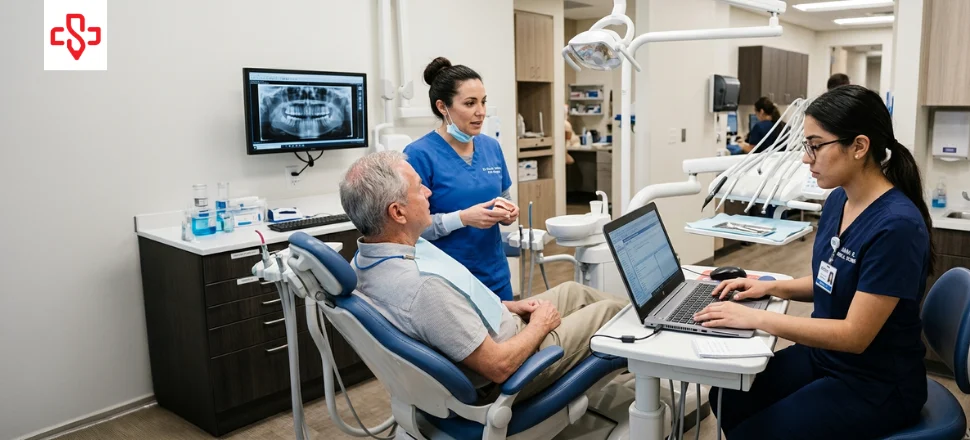
That’s where the medical scribe comes in. While many think scribes are best suited for EDs, medical scribes in specialty clinics actually deliver equal—if not greater—value through on-site documentation support. By pairing providers with live medical scribes, clinics from dermatology to cardiology thrive with smoother workflows, more accurate records, and happier physicians.
Why High-Volume Clinics Need Live Support
-
Back-to-Back Appointments
In specialties like dermatology or urology, appointments can run as short as 10–15 minutes. Even small delays compound into hours of backlog. With medical scribes in specialty clinics capturing encounters in real time, providers move efficiently without sacrificing documentation quality.
-
Detailed Documentation Requirements
Specialty care often requires meticulous note-taking. From documenting biopsy sites in dermatology to recording EKG findings in cardiology, details matter. EMR scribes trained digital documentation and specialty workflows reduce the risk of missed information.
-
Revenue Protection
Coding in specialty care is heavily documentation-dependent. Missed details can lead to downcoding or denied claims. By ensuring complete notes, medical scribes in specialty clinics help safeguard revenue for high-volume practices.
Specialty Documentation Expertise in Action
Dermatology
Dermatologists move quickly between skin exams, biopsies, and cosmetic procedures. Dermatology medical scribes capture procedure notes, lesion locations, and follow-up plans in real time. Instead of spending evenings re-documenting, dermatologists end their day with completed charts.
Cardiology
Cardiologists often handle complex cases involving imaging, lab results, and medication management. EMR scribes keep everything organized, documenting differential diagnoses and updating treatment plans while the provider focuses on interpreting results.
Rheumatology
Rheumatologists manage chronic autoimmune conditions requiring detailed histories and ongoing monitoring. Medical scribes in specialty clinics assist by documenting joint exams, lab results, and treatment adjustments, helping providers focus on long-term care planning in Rheumatology .
Ophthalmology
Ophthalmology clinics rely heavily on precision and speed. Medical scribes in Ophthamology document visual acuity tests, imaging findings, and procedures in real time, ensuring accuracy while maintaining clinic efficiency.
Endocrinology
Endocrinologists track complex conditions like diabetes and thyroid disorders. Medical scribes in endocrinology help maintain detailed longitudinal records, ensuring lab values, medications, and patient progress are consistently documented.
These specialty-trained scribes don’t just type; they understand the nuances of each field, making them indispensable team members.
Why On-Site Beats Remote in Specialty Clinics
Some clinics consider medical scribe online models, or telescribing, as alternatives. While those options may work in low-acuity or telehealth-driven practices, they fall short in high-volume specialty settings.
- Observational Cues: A dermatologist pointing to a lesion or a cardiologist reviewing an echo—these moments aren’t always verbalized, meaning remote scribes can miss them.
- Provider-Scribe Communication: In fast-paced environments, quick cues are enough for a live scribe to understand. Remote models lack this immediacy.
- Workflow Integration: On-site scribes become part of the team, unlike virtual scribes who remain external.
For specialties that depend on precision, medical scribes in specialty clinics remain the gold standard.
The ROI of On-Site Scribes for Smaller Practices
Administrators at 1–2 provider clinics often hesitate, assuming scribes are only cost-effective for large systems. In reality, even small practices benefit significantly.
- Higher Patient Throughput
With scribes handling EMRs, providers can see more patients daily without extending hours.
- Reduced Burnout
Providers end their day with completed charts instead of spending evenings on documentation.
- Flexible Staffing Pools
Shared scribe resources in metro areas ensure coverage without high costs.
For many practices, medical scribes in specialty clinics quickly pay for themselves through increased productivity and revenue capture.
Compliance and Audit Protection in Specialty Care
Documentation isn’t just about efficiency—it’s about compliance. Specialty practices face scrutiny for coding accuracy. A well-trained medical scriber ensures charts meet standards, protecting clinics during audits.
EMR scribes also help standardize records, track quality metrics, and ensure regulatory readiness.
The Human Advantage in Patient Care
Patients notice more engaged providers. A dermatologist making eye contact instead of typing builds trust. Medical scribes in specialty clinics enable this by removing documentation burdens.
Better communication leads to higher patient satisfaction scores—critical in competitive specialty markets.
Specialty Care Needs Specialty Support
Specialty care runs on precision, efficiency, and trust. Providers cannot afford to be slowed down by documentation.
By deploying medical scribes in specialty clinics, practices gain:
- Real-time documentation support
- Specialty-trained expertise
- Improved revenue and provider well-being
While remote models have their place, nothing replaces an on-site scribe. For high-volume specialties, scribes are essential teammates driving better outcomes. With Scribe.ology, you get expert live scribes tailored to your specialty needs. Get a quote today to see how we can help.