
Clinical documentation plays a central role in modern healthcare. It supports patient care, ensures accurate billing, and helps maintain compliance with regulatory standards. However, as documentation demands continue to grow, healthcare organizations often ask an important question: in the debate of medical scribes vs nurses, who handles clinical documentation better?
While both nurses and medical scribes contribute to patient care and documentation, their roles differ significantly. Nurses balance direct patient care with documentation responsibilities, whereas medical scribes focus exclusively on documenting patient encounters in real time. This distinction has made medical scribes an increasingly preferred solution for improving documentation accuracy and efficiency.
Understanding the Role of Nurses in Documentation
Nurses play a critical role in patient care, including monitoring vital signs, administering medications, and communicating with patients and families. Documentation is one of many responsibilities they manage throughout their shifts.
Because nurses must prioritize patient care tasks, documentation may sometimes be completed after the encounter. This delay can increase the risk of missing details or inconsistencies in the patient record, especially in fast-paced environments.
Understanding the Role of Medical Scribes
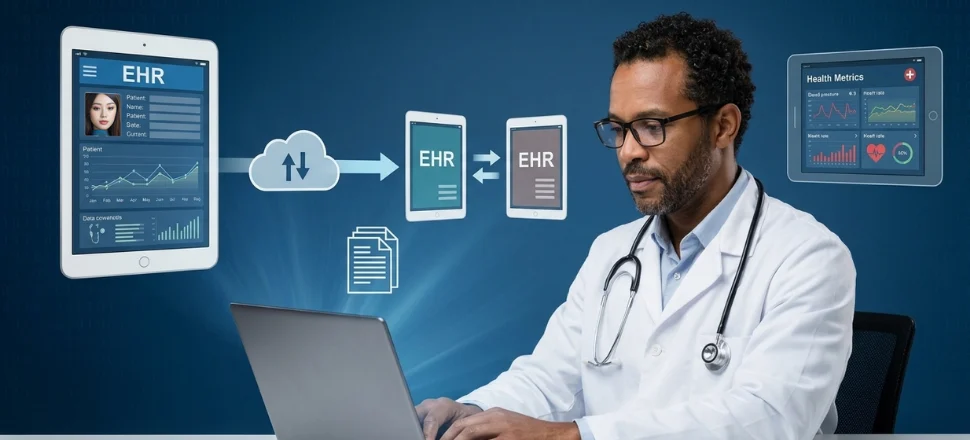
Medical scribes are trained professionals who specialize in documenting patient encounters in real time. They work alongside physicians and enter information directly into the electronic health record (EHR), ensuring that notes remain accurate, complete, and structured.
Unlike nurses, scribes do not perform clinical tasks. Instead, they focus entirely on capturing the physician’s observations, diagnoses, and treatment plans as the encounter unfolds. This dedicated focus allows for higher clinical documentation accuracy.
Documentation Accuracy: Medical Scribes vs Nurses
In the comparison of medical scribes vs nurses, accuracy is a key factor. Real-time documentation significantly reduces the risk of errors caused by memory gaps or delayed note entry.
Studies show that physicians spend nearly 1.5 to 2 hours on documentation for every hour of patient care. When nurses must share documentation responsibilities alongside clinical duties, maintaining this level of detail becomes challenging.
Medical scribes help address this issue by documenting encounters as they happen, ensuring that all relevant clinical details are captured without delay.
Efficiency and Workflow Impact
Efficiency is another critical factor when comparing medical scribes and nurses in documentation roles. Nurses often multitask between patient care and administrative duties, which can slow down workflow.
In contrast, medical scribes streamline documentation processes by handling note-taking responsibilities. Research indicates that medical scribes can improve physician productivity by 20–30%, primarily by reducing time spent on EHR documentation.
This improved efficiency allows healthcare providers to see more patients while maintaining high-quality documentation.
How Medical Scribes Support Accurate Coding
Accurate clinical documentation is essential for proper coding and billing. Medical scribes help ensure that documentation supports correct coding practices by capturing detailed clinical information. This process in accurate CPT selection, where proper documentation directly impacts billing accuracy.
Impact on Physician Productivity
Physician productivity often depends on how efficiently documentation tasks are managed. When physicians rely on nurses for documentation support, the process may still require additional time for review and completion.
Medical scribes reduce this burden by preparing complete notes that physicians can quickly review and sign. This workflow improvement directly contributes to better productivity outcomes.
For more insights, explore how scribes support RVU productivity for physicians.
Specialized Documentation Support
Different medical specialties require unique documentation approaches. Nurses may not always have the time or specialized training to document complex cases in detail.
Medical scribes, on the other hand, are trained to adapt to specialty-specific documentation requirements. For example, behavioral health documentation requires careful attention to detail and accuracy. Know how behavioral scribes maintain precision in mental health records.
Comparison Table: Medical Scribes vs Nurses
| Factor | Medical Scribes | Nurses |
|---|---|---|
| Primary Role | Documentation support | Patient care + documentation |
| Documentation Timing | Real-time | Often post-encounter |
| Accuracy | High due to focused role | May vary due to multitasking |
| Workflow Efficiency | Improves physician workflow | Limited by clinical duties |
| Impact on Productivity | Increases efficiency | Indirect support |
Why Medical Scribes Are the Preferred Choice
When evaluating medical scribes vs nurses, it becomes clear that medical scribes offer a more focused and efficient approach to clinical documentation. Their ability to document in real time, reduce errors, and support physician workflow makes them a valuable asset in modern healthcare settings.
While nurses remain essential for patient care, assigning documentation responsibilities to scribes allows nurses to concentrate on clinical tasks, ultimately improving overall care delivery.
Conclusion
Both nurses and medical scribes play important roles in healthcare, but their contributions to clinical documentation differ significantly. In the comparison of medical scribes vs nurses, medical scribes provide a clear advantage in terms of accuracy, efficiency, and workflow support.
By handling documentation tasks, scribes enable physicians and nurses to focus on what matters most — delivering high-quality patient care. This division of responsibilities leads to better documentation, improved productivity, and enhanced patient outcomes.
Healthcare organizations looking to improve documentation accuracy and efficiency can benefit from professional scribing services. Request a quote today to learn how medical scribes can transform your clinical documentation workflow.