
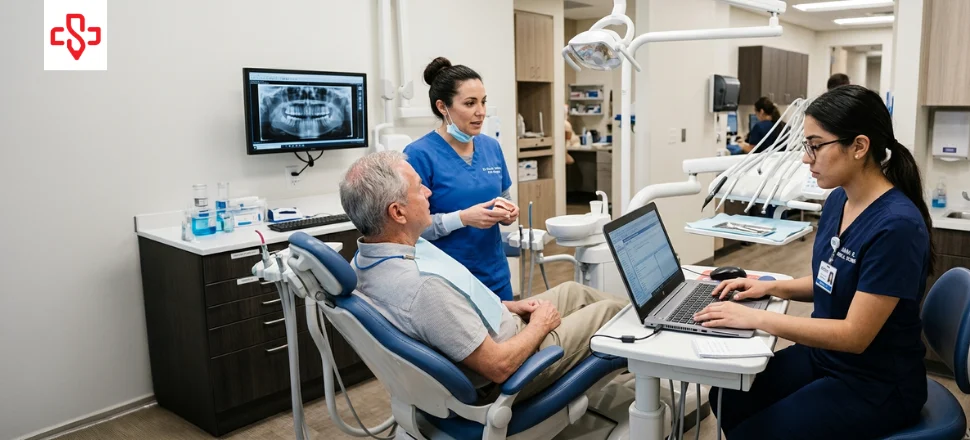
Oral surgery is a highly specialized field that requires precision, efficiency, and detailed documentation. From patient consultations to surgical procedures and follow-ups, oral surgeons manage complex clinical workflows every day. As documentation requirements continue to grow, many practices are now asking an important question: do oral surgeons really need medical scribes?The answer is increasingly yes. The use of medical scribes in oral surgery is helping providers improve documentation accuracy, streamline workflows, and focus more on patient care rather than administrative tasks.
Many oral surgery procedures take place in outpatient settings, where efficiency and patient flow are critical. In these environments, outpatient scribes can seamlessly integrate into clinical workflows and support surgeons throughout the day.
The Documentation Burden in Oral Surgery
Oral surgeons handle a wide range of procedures, including extractions, implants, biopsies, and reconstructive surgeries. Each encounter requires detailed documentation, including medical history, imaging results, procedural notes, and post-operative care plans.
However, managing this level of documentation while maintaining a busy surgical schedule can be challenging. As a result, many oral surgeons find themselves spending hours after clinic completing charts, which can lead to fatigue and reduced productivity.
In fact, studies show that physicians spend nearly 1–2 hours on documentation for every hour of patient care. This growing burden highlights the need for efficient documentation support in specialized fields like oral surgery.
What Do Medical Scribes Do in Oral Surgery?
Medical scribes in oral surgery assist surgeons by documenting patient encounters in real time. They capture clinical details during consultations, procedures, and follow-ups, ensuring that records remain accurate and complete.
Their responsibilities typically include:
- Documenting patient history and chief complaints
- Recording examination findings and imaging results
- Capturing procedural details during surgeries
- Updating treatment plans and follow-up instructions
- Entering data into the electronic health record (EHR)
By handling these tasks, scribes allow oral surgeons to focus fully on patient care and surgical precision.
Benefits of Medical Scribes in Oral Surgery
1. Improved Documentation Accuracy
Accurate documentation is critical in oral surgery, where even small details can impact treatment outcomes. Scribes ensure that all relevant information is captured in real time, reducing the risk of errors or omissions.
2. Increased Efficiency
With scribes managing documentation, surgeons can move more efficiently between patients and procedures. This improved workflow can help practices see more patients without compromising care quality.
Learn more about how scribes improve efficiency in doctor workflow benefits.
3. Reduced After-Hours Charting
One of the biggest advantages of using medical scribes in oral surgery is the reduction in after-hours documentation. Surgeons can complete their notes during patient encounters, eliminating the need for late-night charting.
4. Better Patient Interaction
When surgeons are not focused on typing or updating records, they can engage more effectively with patients. This leads to better communication, improved patient satisfaction, and stronger trust.
5. Enhanced Compliance and Billing Accuracy
Proper documentation is essential for compliance and accurate billing. Scribes help ensure that all procedures and diagnoses are documented correctly, reducing the risk of claim denials and audits.
Workflow Comparison: With vs Without Scribes
| Without Medical Scribes | With Medical Scribes |
|---|---|
| Surgeon documents after procedures | Scribe documents in real time |
| Increased after-hours workload | Minimal after-hours charting |
| Higher risk of missed details | Improved documentation accuracy |
| Limited patient interaction | More patient-focused care |
| Slower workflow | Streamlined clinical operations |
Are Scribes Suitable for All Oral Surgery Practices?
While not every practice may initially use scribes, most oral surgery clinics can benefit from their support. High-volume practices, in particular, see significant improvements in efficiency and documentation quality.
Additionally, practices that are transitioning to new EHR systems or facing increased compliance requirements often find scribes especially valuable.
The Growing Role of Medical Scribes
The demand for medical scribes in oral surgery continues to grow as practices look for ways to improve efficiency and reduce administrative burden. As documentation requirements become more complex, scribes play an increasingly important role in maintaining high-quality clinical records.
Moreover, healthcare providers are recognizing that better documentation not only supports billing and compliance but also improves patient outcomes and continuity of care.
Final Thoughts
So, do oral surgeons need medical scribes? While it may not be mandatory, the benefits are clear. From improving documentation accuracy to enhancing workflow efficiency and patient interaction, scribes provide valuable support in modern oral surgery practices.
Ultimately, integrating medical scribes in oral surgery allows surgeons to focus on what they do best—delivering high-quality patient care—while ensuring that documentation remains accurate, complete, and compliant.
Get Started with Professional Scribe Support
If your oral surgery practice is looking to improve documentation accuracy and reduce administrative workload, professional scribe services can make a significant difference. At Scribe.ology, we provide trained scribes who understand specialty workflows and documentation requirements.
Whether you operate in a high-volume clinic or a specialized surgical setting, our solutions are designed to support your team. Get a quote today to learn how our scribe services can help optimize your practice.