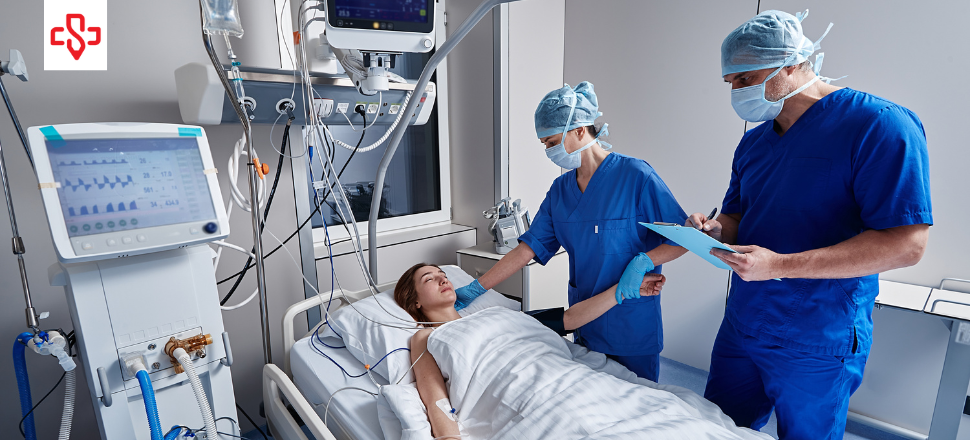
Clinics today face growing documentation demands, rising patient volumes, and increasing clinician burnout. As a result, many practices are actively seeking solutions that improve efficiency without compromising care quality. In this environment, Urgent Care Scribes have become an essential solution for clinics aiming to improve efficiency while maintaining high standards of patient care. By doing so, scribes support providers with real-time documentation and allow clinicians to focus on what matters most—patients.
The Documentation Challenge in Urgent Care
Urgent care settings are uniquely demanding. On a daily basis, providers must manage high patient turnover, unpredictable case complexity, and rapid clinical decision-making. At the same time, documentation requirements continue to grow. Studies indicate that clinicians can spend up to 50% of their working hours
on documentation tasks, which in turn significantly reduces face-to-face patient time and increases fatigue.
Consequently, this administrative burden not only impacts workflow efficiency but also increases the risk of incomplete or delayed charting. For this reason, clinics looking to scale documentation support often explore flexible staffing models, including the benefits of outsourcing medical scribes, which offer consistent coverage without adding internal staffing pressure.
How Urgent Care Scribes Improve Workflow Efficiency
Urgent Care Scribes document patient encounters in real time while providers assess, diagnose, and treat patients. As a result, providers no longer need to divide their attention between the patient and the electronic health record (EHR). Because of this, charts are completed faster, documentation backlogs are reduced, and providers are better able to maintain clinic flow—even during peak hours.
In addition, improved documentation efficiency supports faster patient throughput. This ultimately leads to shorter wait times and improved access to care. In high-acuity environments, human documentation support has demonstrated clear value, as illustrated in discussions around the human advantage of live scribes.
Key Benefits of Urgent Care Scribes
| Benefit | Impact on Clinic Operations |
|---|---|
| Real-time documentation | Reduces charting delays and improves accuracy |
| Faster patient throughput | Shorter wait times and improved access |
| Reduced after-hours charting | Better work-life balance for clinicians |
| Improved coding accuracy | Fewer claim denials and stronger reimbursement |
| Enhanced compliance documentation | Stronger audit readiness and reduced risk |
Enhancing the Patient Experience
When providers are freed from constant screen interaction, patient communication improves. In particular, Urgent Care Scribes enable clinicians to maintain eye contact, actively listen, and explain diagnoses and treatment plans more clearly. As a result, patients experience better understanding, stronger trust, and higher satisfaction scores.
Moreover, patients benefit from smoother visits, fewer delays, and a sense that their concerns are being fully addressed. In urgent care settings—where visits are often brief and problem-focused—improved provider engagement makes a meaningful difference.
Reducing Provider Burnout
Burnout remains a serious concern across healthcare, particularly in high-volume urgent care clinics. Notably, documentation overload is one of the most frequently cited contributors. Research consistently links heavy EHR workloads with emotional exhaustion and reduced job satisfaction.
To address this challenge, Urgent Care Scribes help mitigate the burden by managing documentation tasks during patient encounters. Similarly, evidence from outpatient care models highlights how documentation support plays a key role in clinician well-being, reinforcing findings discussed in reducing physician burnout.
Supporting Compliance and Revenue Integrity
Accurate documentation is critical for compliance, coding, and reimbursement. Without it, incomplete or unclear notes can lead to claim denials, audits, and lost revenue. Urgent Care Scribes ensure that clinical encounters are thoroughly documented, capturing medical decision-making, timelines, and treatment details.
As a result, high-quality documentation supports proper coding, reduces retrospective corrections, and strengthens audit readiness—thereby helping clinics protect revenue while meeting regulatory requirements.
Training and Integration of Urgent Care Scribes
Successful scribe programs rely on comprehensive training and thoughtful integration. Specifically, Urgent Care Scribes must understand clinical terminology, urgent care workflows, EHR systems, and compliance standards. Through structured onboarding and ongoing feedback, clinics can ensure consistent documentation quality.
Over time, well-integrated outpatient scribes become trusted members of the care team. In turn, they anticipate provider needs and contribute to smoother clinic operations.
Conclusion: A Smart Investment for Urgent Care Clinics
Ultimately, Urgent Care Scribes deliver measurable value by improving documentation accuracy, increasing efficiency, reducing burnout, and enhancing patient care. In a fast-paced clinical environment, scribes allow providers to focus on delivering high-quality care while simultaneously maintaining compliance and operational efficiency.
Ready to improve your clinic’s documentation workflow?
Get a customized quote today and discover how Scribeology’s urgent care scribe solutions can support your clinic’s success.