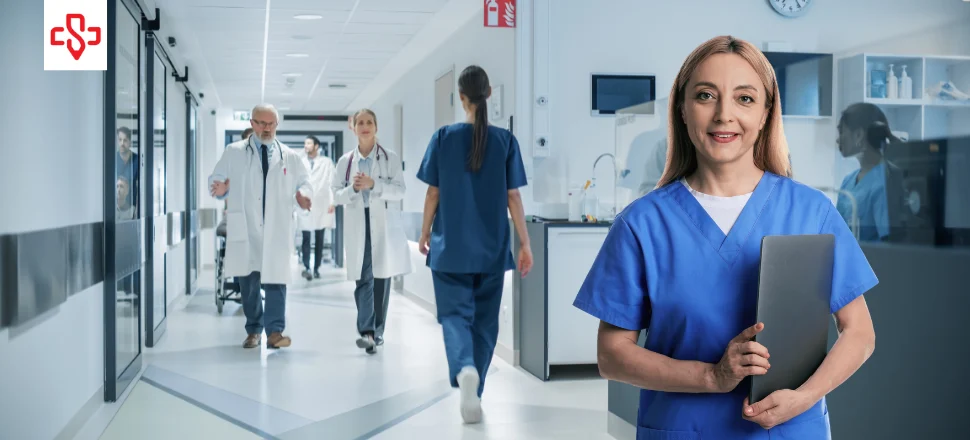
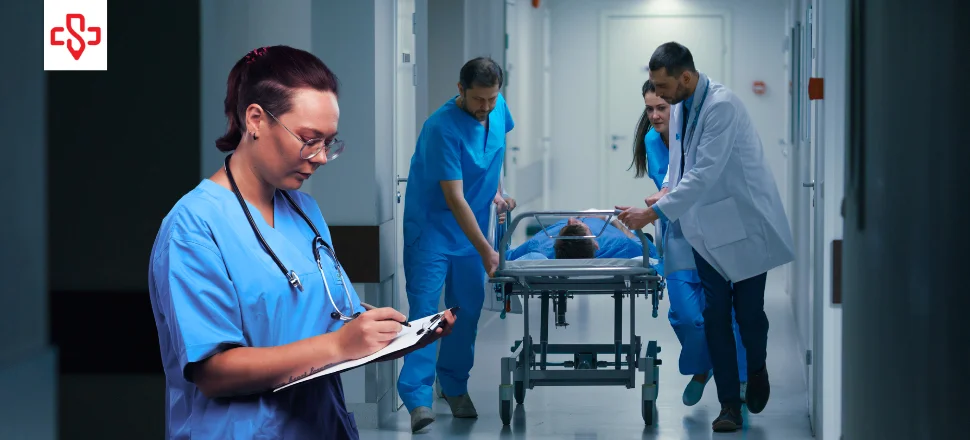
If there’s one place in healthcare where every second counts, it’s the emergency department. Physicians must juggle high patient volumes, manage critical conditions, and make rapid decisions—all while documenting every detail in the electronic health record (EHR). This constant balancing act has led many hospitals to adopt a practical and highly effective solution: ER scribes in modern hospitals.
Once considered simple note-takers, scribes have evolved into indispensable members of modern healthcare teams. Today, ER scribes in modern hospitals play a vital role in improving efficiency, enhancing documentation accuracy, and allowing physicians to focus more on patient care.
Understanding the Role of ER Scribes in Modern Hospitals
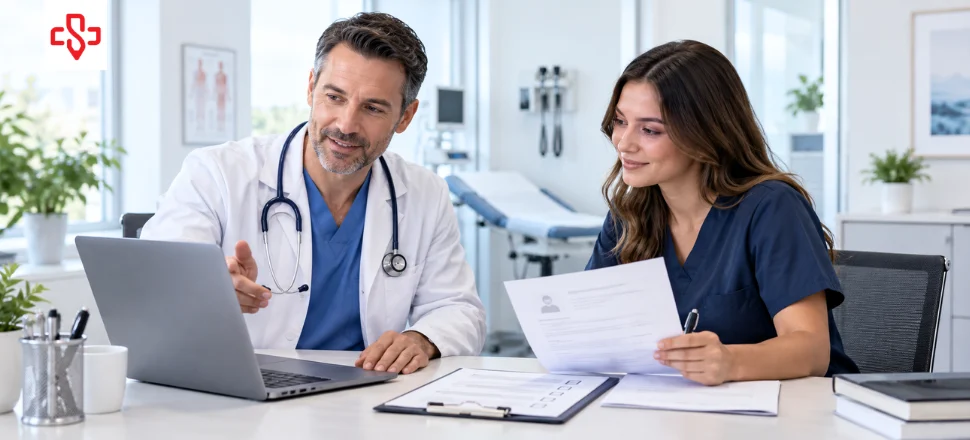
An emergency department scribe is a trained professional who supports physicians by managing real-time clinical documentation during patient encounters. They record patient histories, physical examinations, diagnoses, and treatment plans directly into the hospital’s EHR system.
By handling documentation as care is delivered, ER scribes in modern hospitals eliminate the need for physicians to divide their attention between patients and screens. This enables providers to stay fully engaged in clinical decision-making and patient interaction.
Scribes are trained in medical terminology, clinical workflows, and compliance standards. Their expertise ensures that records are accurate, complete, and aligned with regulatory requirements.
Key Responsibilities of ER Scribes in Modern Hospitals
| Responsibility | Impact on Emergency Department |
|---|---|
| Real-time documentation | Reduces charting backlog and delays |
| Recording patient history and exams | Improves clinical accuracy |
| Tracking labs and imaging results | Supports faster decision-making |
| Updating EHR records | Ensures continuity of care |
| Assisting with discharge documentation | Speeds up patient throughput |
Why ER Scribes in Modern Hospitals Are Indispensable
Emergency departments face increasing pressure from rising patient volumes, administrative demands, and physician burnout. In this environment, ER scribes in modern hospitals have become essential to maintaining efficiency and care quality.
1. Restoring Physician Focus and Reducing Burnout
Emergency medicine is physically and mentally demanding. Physicians often spend hours after their shifts completing charts—commonly referred to as “pajama time.” This added workload contributes significantly to fatigue and burnout.
According to recent AMA data, 48.2% of physicians reported experiencing at least one symptom of burnout in 2023.
By managing documentation in real time, ER scribes in modern hospitals help physicians complete charts during their shifts. This reduces after-hours work, improves work-life balance, and supports long-term provider retention.
2. Enhancing Accuracy and Compliance
Accurate documentation is critical in emergency medicine. Every detail—from symptoms to treatment plans—must be recorded precisely to ensure patient safety and proper billing.
ER scribes in modern hospitals help maintain high documentation standards by capturing detailed and structured clinical information. Their work reduces errors, supports compliance, and improves audit readiness.
In addition, accurate documentation contributes to better coding, fewer claim denials, and stronger financial performance for healthcare organizations.
3. Improving Patient Experience
When physicians are focused on screens, patient interaction can suffer. ER scribes in modern hospitals remove this barrier by handling documentation, allowing providers to engage directly with patients.
This leads to better communication, increased trust, and improved patient satisfaction scores.
“When I have a scribe, I can finally look my patients in the eye again.”
An emergency medical scribe helps make that possible every day and it matters to hospital.
4. Streamlining Emergency Room Workflows
Emergency departments operate in unpredictable and high-pressure environments. Efficient workflows are essential to managing patient flow and delivering timely care.
ER scribes in modern hospitals ensure that documentation happens simultaneously with treatment, reducing delays in order entry, lab processing, and discharge procedures.
The result is improved throughput, shorter wait times, and more efficient use of clinical resources.
| Workflow Area | Without Scribes | With Scribes |
|---|---|---|
| Documentation completion | Delayed, after shifts | Completed in real time |
| Physician focus | Divided between patient and EHR | Fully patient-focused |
| Patient wait times | Longer | Reduced |
| Throughput | Slower | Improved |
Even a single emergency room medical scribe can improve coordination by keeping records updated in real time, enabling better communication among care teams.
5. Supporting Education and Team Collaboration
Emergency departments often serve as training environments for medical students and residents. Many scribes are aspiring healthcare professionals who gain valuable exposure to clinical workflows and decision-making.
At the same time, ER scribes enhance team collaboration by ensuring accurate documentation while physicians focus on patient care.
An emergency room scribe is not just an observer—they actively support communication and workflow efficiency within the care team.
Technology and the Evolution
Medical scribing has evolved significantly with advancements in technology. While on-site scribes remain common, many hospitals now use virtual scribing solutions supported by secure digital platforms.
Additionally, AI-assisted tools are being integrated into scribing workflows to enhance speed and accuracy. These tools can capture voice data, suggest structured templates, and support compliance requirements.
This hybrid approach—combining human expertise with technology—delivers both efficiency and reliability in clinical documentation.
The Return on Investment (ROI) in Modern Hospitals
While some hospitals may hesitate due to initial costs, scribe programs consistently demonstrate strong return on investment.
| Metric | Impact of Scribes |
|---|---|
| Patient volume per shift | Increases |
| Documentation accuracy | Improves |
| Billing and coding levels | Optimized |
| Claim denials | Reduced |
| Physician satisfaction | Higher |
Beyond financial gains, ER scribes contribute to reduced burnout, improved morale, and better patient experiences—making them a valuable long-term investment.
The Future of Emergency Room Scribes in Modern Hospitals
As healthcare systems continue to evolve, the demand for ER scribes in modern hospitals is expected to grow. Their ability to bridge the gap between clinical care and administrative requirements makes them an essential part of modern healthcare delivery.
Hospitals are increasingly recognizing that sustainable emergency care depends not only on technology, but also on efficient teamwork—and ER scribes remain central to that transformation.
Conclusion: Empowering Hospitals Through Scribing Excellence
ER scribes in modern hospitals are more than support staff—they are key contributors to improved healthcare delivery. By reducing documentation burdens, enhancing accuracy, and allowing physicians to focus on patients, they help create more efficient and effective emergency departments.
By embracing medical scribing, hospitals can reduce burnout, improve operational performance, and elevate patient care standards.
For healthcare organizations aiming to optimize efficiency and strengthen clinical outcomes, integrating ER scribes in modern hospitals is not just an option—it’s a strategic advantage.