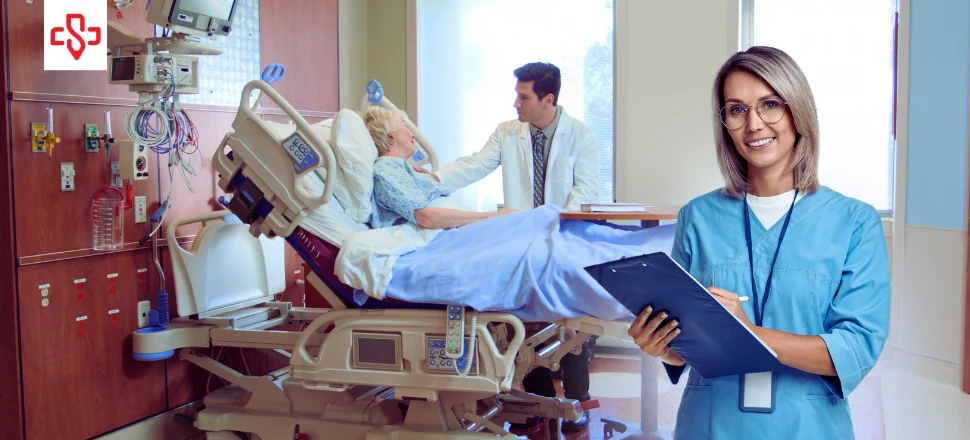
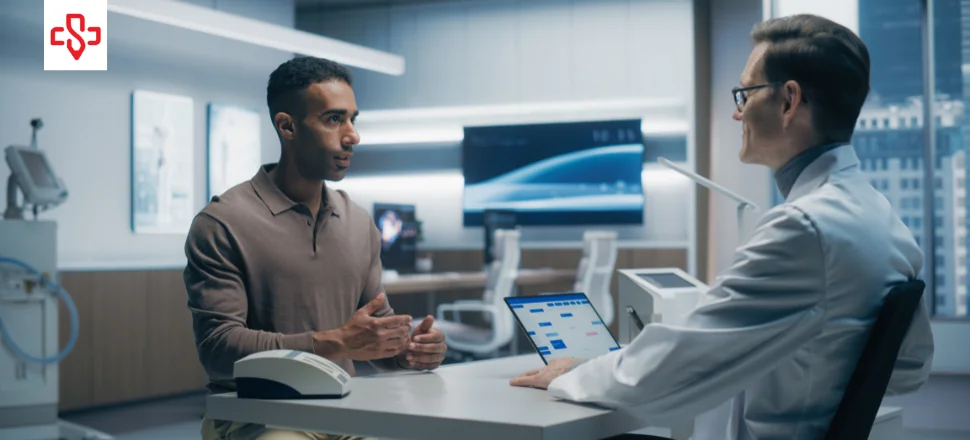
Accurate clinical documentation is the backbone of high-quality hospital care. Every diagnosis, medication, procedure, and provider note becomes part of the patient’s medical record—guiding treatment plans, ensuring continuity, and protecting providers against compliance risks. Yet charting in a hospital environment is notoriously demanding. Physicians often balance complex cases, patient volume, and time-sensitive decisions while trying to complete detailed documentation in the Electronic Health Record (EHR). In this high-pressure setting, charting errors are common. In this high-pressure setting, charting errors are common, which highlights the crucial role of hospital medical scribes in supporting clinicians and ensuring accurate, complete, and timely documentation.
Studies in Charting Errors
Studies show that medical errors—many linked to inaccurate or incomplete documentation—are among the leading causes of adverse events in hospitals. In fact, research indicates that nearly 15% of hospital documentation contains discrepancies, whether in medication lists, vital signs, history-taking, or incomplete progress notes. These errors can compromise patient safety, delay care, and significantly increase administrative burden.
This is where the role of hospital medical scribes becomes invaluable. Hospital scribes enhance the accuracy, completeness, and efficiency of documentation, providing clinicians with the support, time, and clarity they need to deliver better patient care.
Why Charting Errors Occur in Hospital Settings
Hospital environments differ from outpatient clinics in intensity and complexity. Providers often work long shifts, respond to emergencies, and manage multiple acutely ill patients simultaneously. This fast-paced environment increases the likelihood of documentation gaps.
Common causes of charting errors include:
1. Time Pressure
Hospital physicians spend a significant portion of their shift documenting. One study found that clinicians can spend up to 35% of their workday on EHR-related tasks, leading to fatigue and potential inaccuracies.
2. Cognitive Overload
Multiple patients, rapid decision-making, and constant interruptions can compromise memory recall when documenting encounters later.
3. Complicated EHR Systems
Hospital EHRs contain extensive templates, fields, and compliance requirements. Navigating them quickly often leads to missed sections or typos.
4. Working From Memory
Many providers finish documentation at the end of their shift, sometimes hours after seeing the patient—creating opportunities for omission or error.
5. Multidisciplinary Coordination
Hospital care involves collaboration among nurses, specialists, surgeons, pharmacists, and therapists. Poor documentation can disrupt communication among teams.
With these challenges, hospitals are increasingly adopting medical scribes to support accuracy and reduce documentation errors.
The Role of Hospital Medical Scribes in Reducing Charting Errors
Hospital scribes are trained documentation professionals who work alongside physicians to record patient encounters in real time. Their involvement significantly improves data integrity, note completeness, and workflow efficiency.
Here’s how scribes help prevent charting errors:
1. Real-Time Documentation for Higher Accuracy
Scribes document patient interactions as they happen, ensuring details are captured precisely and promptly. This eliminates the common issue of delayed charting or relying on memory.
Real-time charting leads to:
- Fewer omitted symptoms or history elements
- Accurate recording of procedures, medications, and orders
- Consistent tracking of follow-up instructions
A randomized controlled trial found that scribes significantly improved physician-perceived chart accuracy and chart quality, with physicians reporting higher satisfaction with accuracy when scribes were present.
2. Supporting Clinicians in Clinical Workflows
One of the most important benefits of hospital scribes is their integration in clinical workflows. By handling documentation, they allow providers to focus fully on diagnosing, examining, and communicating with patients. This ensures that each step of care is performed with full attention—reducing cognitive overload and the likelihood of charting errors.
Providers report that scribes help them:
- Maintain steady patient flow
- Avoid multitasking between charting and evaluation
- Stay compliant with documentation requirements for hospital billing
- Reduce burnout associated with heavy EHR loads
With scribes embedded in daily operations, hospitals see a measurable decrease in documentation-related mistakes.
3. Thorough and Complete Note Capture
Incomplete notes are a major driver of charting errors. Scribes are trained to follow specific templates and checklists, ensuring no sections are missed.
They help complete:
- Past medical histories
- Medication lists
- Physical exam findings
- Assessment and plan details
- Procedure notes
- Discharge summaries
4. Accurate Order Entry and Workflow Assistance
Although scribes do not make clinical decisions or enter orders independently, they help ensure that orders are documented correctly and promptly. They verify details with the physician and record instructions such as:
- Imaging requests
- Lab tests
- Medication changes
- Follow-ups or consults
This reduces the chance of missing or incorrect orders, a common source of hospital errors.
5. Reducing Transcription Errors Caused by Voice Dictation
Many physicians use voice recognition tools, but these systems often misinterpret medical terminology. Medical scribes ensure proper spelling, grammar, and medical accuracy—especially important for complex hospital cases.
They also prevent:
- Incorrect medication names
- Wrong dosages
- Misheard symptoms or conditions
- Nonsensical sentence structures
This improves the clarity of the record for all team members.
6. Enhancing Team Communication
Accurate documentation plays a major role in care coordination across hospital departments. By producing high-quality notes, scribes help streamline communication among:
- Nurses
- Specialists
- Surgical teams
- Radiology and lab staff
- Case managers and discharge planners
Better communication means fewer delays, clearer treatment plans, and reduced duplication of tests or procedures.
7. Reducing Physician Burnout and Improving Decision-Making
Physician burnout is directly linked to excessive charting. According to recent surveys, up to 70% of hospital physicians report that EHR tasks significantly increase their stress levels.
With scribes taking over documentation responsibilities, providers experience:
- More face-to-face patient time
- Fewer after-hours charting sessions (“pajama time”)
- Improved job satisfaction
- Increased focus on clinical tasks
When clinicians are less stressed, they make fewer mistakes—leading to safer, more effective patient care.
The Broader Benefits for Hospital Systems
In addition to reducing charting errors, hospital medical scribes contribute to:
Higher Coding Accuracy
Clean, detailed notes support accurate coding and improved reimbursement.
Enhanced Compliance
Scribes help providers meet regulatory requirements, reducing penalties or denied claims.
Improved Throughput
Faster documentation means improved patient flow and reduced wait times.
Better Patient Experience
Patients appreciate when providers spend more time listening and less time typing.
Long-Term Data Quality
High-quality hospital records support better analytics, reporting, and quality improvement initiatives.
Conclusion
Preventing charting errors is essential for patient safety, hospital efficiency, and clinician well-being. The role of hospital medical scribes is pivotal in ensuring that documentation is complete, accurate, and timely—allowing physicians to devote their full attention to patient care.
By integrating scribes into their teams, hospitals see improvements in documentation accuracy, workflow efficiency, compliance, and overall patient outcomes. As hospital environments continue to grow more complex—with rising patient volumes, evolving EHR systems, and increasing administrative demands—the need for reliable documentation support becomes even more essential. Medical scribes help bridge this gap, ensuring that physicians can focus on what matters most: delivering safe, high-quality, and compassionate patient care.
Unlock smoother workflows and cleaner charts with professional medical scribes. Get your custom quote today at
and see how Scribe.ology can reduce your documentation load and enhance clinical efficiency.