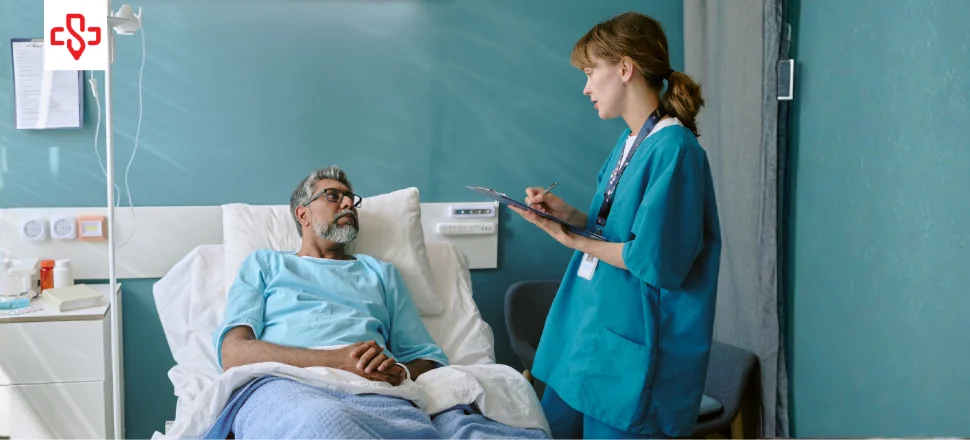

The rapid evolution of healthcare technology and rising documentation demands have pushed hospitals to adopt innovative workforce solutions. One such solution is the strategic use of Inpatient Scribes—trained professionals who support clinicians by capturing clinical information accurately and efficiently. As hospitals strive to improve quality, reduce clinician workload, and enhance operational performance, inpatient scribes have moved beyond the emergency department and into broader roles within the inpatient setting.
Why Inpatient Documentation Needs Innovation
Inpatient care involves multiple handoffs, complex treatment plans, and continuous monitoring. Physicians, nurses, and allied health professionals must document each clinical interaction in the electronic health record (EHR) to meet regulatory, billing, and quality requirements. Studies show that clinicians can spend up to 50% of their time on documentation activities, which detracts from direct patient care and contributes to burnout. This challenge underscores the need for solutions such as inpatient scribes, which help clinicians focus on patients rather than paperwork.
The Expanded Role of Hospital Scribes in Inpatient Care
While scribes were originally deployed in emergency departments and outpatient clinics, their role has expanded significantly within hospitals. An effective hospital scribe now supports multidisciplinary teams throughout the inpatient stay, including ICU rounds, specialty consults, discharge planning, and care coordination meetings. Inpatient scribes not only record clinical narratives but also help manage complex documentation workflows that span multiple providers and care transitions.
Inpatient scribes can help standardize documentation, improve accuracy, and ensure that critical information flows seamlessly across shifts and departments. For example, during interdisciplinary rounds, scribes capture changes in patient status, medication adjustments, and discharge criteria in real time, reducing the need for later chart corrections.
Key Benefits of Inpatient Scribes
The benefits of integrating inpatient scribes into hospital workflows are multifaceted. First and foremost, they free up valuable clinician time, allowing providers to focus on diagnosis, treatment, and patient interaction. Secondly, scribes help improve documentation quality, thereby enhancing coding accuracy and reducing downstream compliance risks. Third, their presence often improves clinician satisfaction and decreases documentation-related burnout.
Numerous hospitals have reported measurable improvements in chart completion times after integrating scribes into their documentation processes. In some health systems, scribes have helped clinicians complete charts on the same day, rather than the 24–48-hour delays previously. These improvements not only enhance care continuity but also support hospital operational efficiency.
Inpatient Scribe Functions Across Care Teams
| Function | Impact |
|---|---|
| Real-time documentation | Reduces documentation lag and improves data accuracy |
| Discharge summary support | Ensures timely and complete discharge instructions |
| Specialty consult documentation | Improves clarity and care coordination |
| Handoff and rounding support | Facilitates information continuity across shifts |
| Quality and compliance checks | Decreases charting errors and audit risk |
Reducing Charting Errors with Inpatient Scribes
Documentation errors in the EHR can lead to miscommunication, billing challenges, and compromised patient safety. Research shows that documentation inaccuracies account for a significant share of chart-related discrepancies. Inpatient scribes help reduce those errors by capturing data at the point of care, ensuring that provider intentions and clinical findings are recorded precisely.
In fact, studies indicate that well-integrated scribe support can reduce charting errors by more than 25%–30% in inpatient settings, improving overall documentation quality and reducing the need for later corrections. This precision not only improves clinical decision-making but also strengthens compliance and supports hospital performance improvement initiatives. For more on this, see preventing charting errors.
Improving Quality and Continuity of Care
Inpatient scribes also enhance the continuity of care by capturing information consistently across shifts and providers. When scribes participate in morning rounds, midday evaluations, and discharge planning, they help ensure that critical clinical details do not get lost between shifts or during transitions. This contributes to improved care coordination, reduces redundant documentation, and maintains a reliable record of care plans.
Furthermore, accurate documentation supports effective handoffs. In high-acuity units such as ICUs or step-down units, miscommunication can lead to delays or adverse events. Inpatient scribes minimize those risks by maintaining up-to-date records that reflect changes in patient condition, interventions, and goals of care.
Operational Efficiency and Financial Impact
Beyond clinical benefits, inpatient scribes deliver operational and financial value. Hospitals with integrated scribe programs often see faster chart completion, which directly impacts billing cycles and revenue capture. Timely, accurate charts support more efficient coding and reduce the likelihood of denials or compliance flags.
Research on hospital documentation support programs has found that inpatient scribes can increase provider productivity by up to 20%–25%, allowing clinicians to see more patients within the same shift without increasing administrative burden. These gains contribute to a stronger bottom line for hospitals while improving clinician satisfaction and reducing turnover. For an example of ROI in scribe programs, see ROI of hospital medical scribing.
Training and Integration of Inpatient Scribes
Effective inpatient scribe programs depend on comprehensive training and integration into care teams. Hospital Scribes should understand clinical terminology, workflow expectations, documentation standards, and compliance requirements. Hospitals that invest in structured onboarding and ongoing mentorship for scribes see higher performance and better alignment with clinician needs.
Integration also includes clear communication pathways between scribes and providers, ensuring that documentation tasks are delegated with clarity and that scribes receive real-time feedback. As scribes gain experience, they become trusted members of the documentation workflow, contributing to both quality and efficiency gains.
Future Trends in Inpatient Scribe Use
As healthcare evolves, so too does the role of inpatient scribes. Innovations such as hybrid scribing models, where scribes combine in-person and remote support, are gaining traction. These models allow hospitals to scale scribe support across units and shifts more flexibly, improving coverage during peak volumes and specialty care hours.
Additionally, advancements in scribe technology—such as integration with voice recognition and clinical decision support tools—will further enhance documentation accuracy while preserving clinician time. The combination of technology and trained scribes positions hospitals to improve documentation quality, reduce errors, and enhance care delivery.
Conclusion: Transforming Hospital Workflows with Inpatient Scribes
The innovative use of inpatient scribes is transforming hospital workflows across clinical, operational, and financial domains. By capturing real-time documentation, reducing errors, and supporting clinicians with discharge planning and care coordination, inpatient scribes enhance the quality and safety of care.
As healthcare organizations continue to adapt to growing documentation demands and workforce challenges, inpatient scribe support from Scribe.ology will continue to play a vital role in enabling efficient, accurate, and patient-centered care.
Ready to Optimize Inpatient Documentation?
As hospitals continue to face rising patient volumes, complex documentation requirements, and clinician burnout, investing in inpatient scribe support is no longer optional—it’s strategic. Partnering with an experienced scribe provider helps improve documentation accuracy, streamline workflows, and return valuable time to care teams.
If your organization is exploring innovative ways to enhance inpatient efficiency and clinician satisfaction, now is the time to act. Get a quote to learn how tailored inpatient scribe solutions from Scribe.ology can support your hospital’s operational and clinical goals.