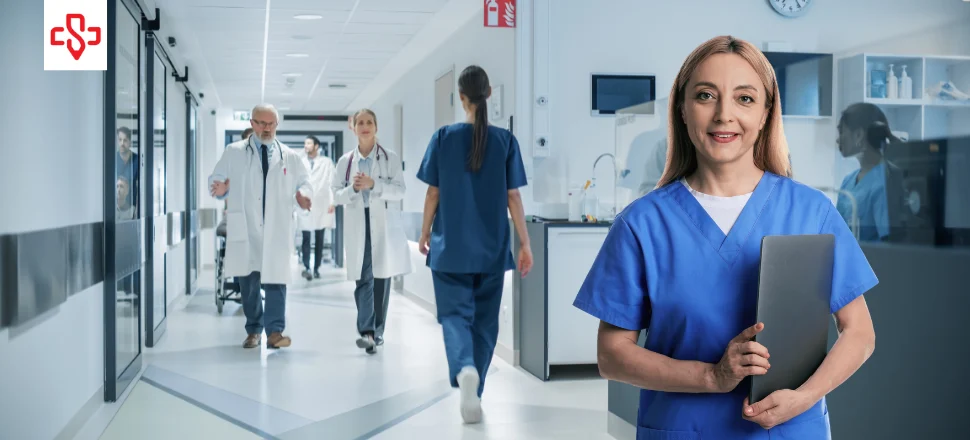

Accurate clinical documentation is essential for effective patient care, communication among healthcare providers, and proper medical billing. One of the most widely used documentation formats in healthcare is the SOAP note structure, which organizes patient information into Subjective, Objective, Assessment, and Plan sections. However, maintaining detailed and accurate SOAP notes can be time-consuming for physicians who already manage busy clinical schedules. Therefore, medical scribes for SOAP notes play a valuable role in modern healthcare settings.
Medical scribes assist physicians by documenting patient encounters in real time, ensuring that SOAP notes remain complete, organized, and accurate. As a result, physicians can focus more on patient care rather than spending significant time typing and updating records in the electronic health record (EHR) system.
Understanding SOAP Notes in Clinical Documentation
SOAP notes provide a standardized framework for documenting patient visits. In particular, the format helps healthcare providers record relevant clinical details while maintaining a clear and organized medical record. Each section of a SOAP note captures a different aspect of the patient encounter.
- Subjective: Information provided by the patient, including symptoms, medical history, and concerns.
- Objective: Measurable data such as physical exam findings, vital signs, and diagnostic test results.
- Assessment: The physician’s clinical interpretation or diagnosis based on the subjective and objective data.
- Plan: The treatment strategy, including medications, follow-ups, or additional tests.
Because SOAP notes require detailed and structured information, physicians may find it challenging to maintain accurate documentation during a busy clinic day. Consequently, many providers seek additional documentation support.
The Documentation Challenges Physicians Face
Physicians today face increasing documentation requirements due to regulatory standards, insurance compliance, and EHR usage. As a result, recording complete SOAP notes often takes time that could otherwise be spent interacting with patients.
For example, one clinical study found that medical scribes reduced documentation time by about 3.2 minutes per patient visit, which significantly improved clinical workflow efficiency. Therefore, this administrative burden highlights the need for efficient documentation support within clinical environments.
In addition, incomplete or delayed documentation can affect clinical decision-making, billing accuracy, and communication among care teams. Because of this, many healthcare organizations rely on medical scribes for SOAP notes to ensure timely and precise documentation.
How Medical Scribes Support SOAP Notes Documentation
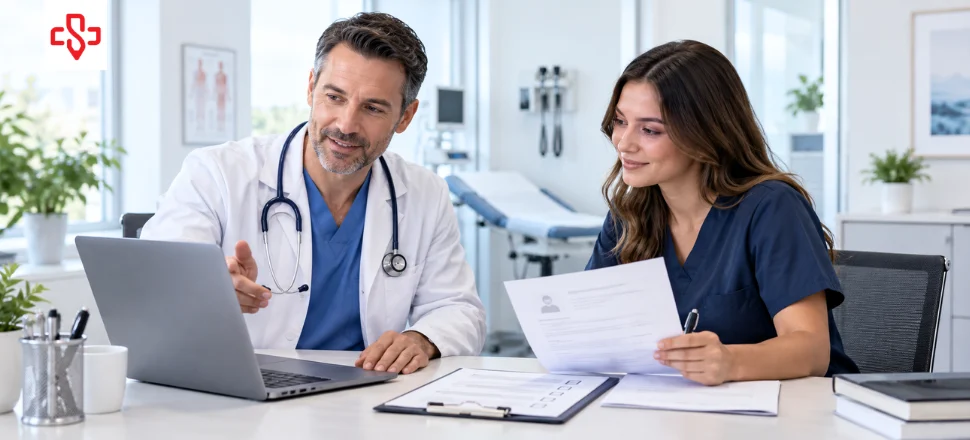
Medical scribes work alongside physicians during patient encounters and document information directly into the EHR using the SOAP format. Specifically, their role includes recording patient symptoms, capturing examination findings, documenting physician assessments, and outlining treatment plans.
By documenting encounters in real time, scribes help ensure that no critical information is missed. Moreover, this approach improves the overall quality and accuracy of SOAP notes while reducing the need for physicians to complete documentation after clinic hours.
Healthcare practices increasingly rely on scribes as part of their clinical workflow. Furthermore, the evolving role of scribes in healthcare documentation appears in the changing role of medical scribes.
Real-Time Documentation Improves Accuracy
One of the biggest advantages of using medical scribes is real-time documentation. When physicians and scribes document notes during the patient encounter, they capture information accurately without relying on memory later in the day.
In addition, real-time documentation allows physicians to review and finalize SOAP notes quickly, which ensures that medical records remain current and complete. Consequently, accurate notes also support better continuity of care when patients see multiple providers.
Research shows that medical scribes can improve physician productivity by up to 20–30%. Physicians achieve this improvement because they spend significantly less time on documentation tasks.
Improving Workflow Efficiency
Efficient documentation workflows remain critical for maintaining productivity in healthcare settings. Therefore, medical scribes streamline SOAP note creation by organizing patient information into the correct format during the visit.
Instead of documenting after each visit, physicians can simply review and sign the note that the scribe prepares. As a result, clinics operate more efficiently while maintaining high documentation standards.
Comparison of Documentation Workflow
| Without Medical Scribes | With Medical Scribes |
|---|---|
| Physician collects patient history | Physician collects patient history |
| Physician conducts examination | Physician conducts examination |
| Physician documents SOAP notes after the visit | Scribe documents SOAP notes in real time |
| Physician updates EHR manually | Physician reviews and signs completed note |
| Documentation often completed after clinic hours | Documentation finished during patient visits |
Enhancing Physician–Patient Interaction
When physicians handle extensive documentation responsibilities, they often divide their attention between the patient and the computer screen. However, medical scribes help reduce this distraction by managing the documentation process.
As a result, physicians can focus entirely on listening to patients, asking relevant questions, and explaining treatment plans. Consequently, this improved attention often leads to stronger communication and higher patient satisfaction.
Supporting Compliance and Ethical Documentation
Accurate SOAP notes also play an essential role in compliance with healthcare regulations and ethical standards. In particular, proper documentation ensures transparency in clinical decision-making and supports accurate coding and billing.
Medical scribes document information while maintaining strict patient confidentiality and accuracy standards. Ethical practices play an important role in medical documentation, including patient privacy and accuracy. Explore medical scribing ethics and documentation accuracy.
Supporting Long-Term Patient Records
Healthcare providers use SOAP notes not only for a single patient visit; these notes also form part of a patient’s long-term medical record. Over time, consistent and accurate documentation helps physicians track symptoms, monitor treatment outcomes, and identify changes in a patient’s condition.
Similarly, medical scribes ensure that each encounter is documented thoroughly. This approach allows healthcare providers to review previous notes easily and make informed decisions about future treatment plans.
The Growing Importance of Medical Scribes in Healthcare
As healthcare systems continue to rely heavily on electronic health records and detailed documentation requirements, the role of medical scribes becomes increasingly important. Consequently, their ability to support physicians with accurate SOAP note documentation improves both efficiency and clinical record quality.
Ultimately, the use of medical Scribes for SOAP notes allows healthcare providers to maintain organized patient records while reducing administrative workload. This support benefits physicians, healthcare organizations, and patients alike.
Conclusion
Medical scribes play a vital role in improving documentation accuracy by capturing patient information in real time, organizing clinical details into the SOAP format, and supporting efficient EHR workflows. Therefore, by integrating medical scribes for SOAP notes into clinical practice, healthcare providers can enhance documentation quality, improve workflow efficiency, and dedicate more attention to delivering high-quality patient care. Healthcare organizations interested in implementing scribe support can request a quote for medical scribe services to learn how customized scribing solutions can support their clinical documentation needs.