
Clinical documentation plays a critical role in patient safety, care coordination, and regulatory compliance. However, for many healthcare providers, documenting encounters in electronic health records (EHRs) can interrupt patient interactions and slow clinical workflows. To address this challenge, Real-Time Medical Scribes have become an increasingly valuable support model across a wide range of clinical settings.
Unlike delayed or end-of-day charting approaches, real-time medical scribing integrates documentation directly into the patient encounter. This model allows clinicians to focus on care delivery while ensuring that medical records remain accurate, complete, and up to date. As healthcare systems prioritize efficiency and quality, medical scribing continues to gain traction.
The Role of Real-Time Medical Scribes
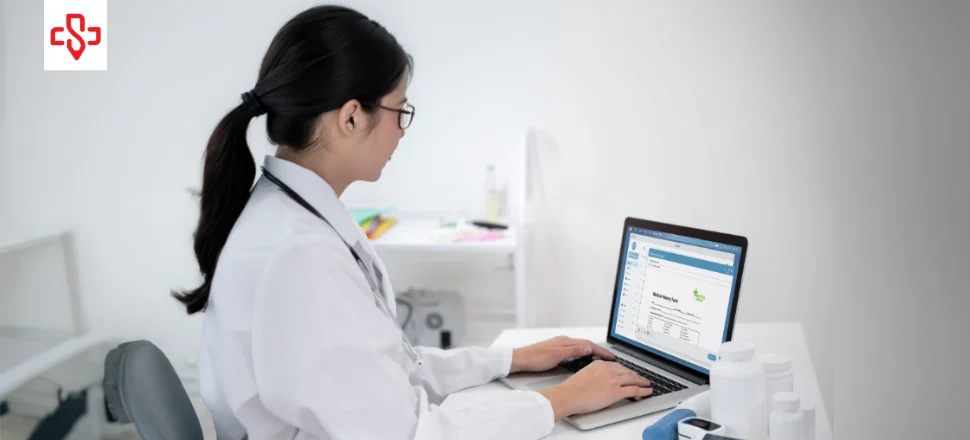
Real-time medical scribes work alongside clinicians—either in person or remotely—to document patient encounters as they occur. During visits, scribes capture histories, exam findings, assessments, orders, and treatment plans directly into the EHR. This real-time support reduces interruptions and eliminates the need for physicians to split attention between patients and screens.
According to published research, physicians can spend nearly 40–50% of their workday on EHR and administrative tasks. Real-time scribing helps reclaim much of this time by shifting documentation responsibilities away from clinicians, allowing them to remain fully engaged with patients.
How Real-Time Scribing Fits into Clinical Workflows
Real-time medical scribes integrate seamlessly into existing clinical workflows. Before patient visits, scribes may review schedules and prepare charts. During encounters, they document clinical information in real time, adapting to each provider’s documentation style and specialty-specific needs.
After the visit, clinicians can review and sign off on notes with minimal edits. Compared to delayed documentation models, real-time scribing significantly reduces after-hours charting and supports same-day record completion. Practices comparing approaches often explore real-time vs asynchronous scribing to determine which best aligns with their workflow goals.
Impact on Accuracy and Patient Safety
Timely and accurate documentation is essential for patient safety, especially in fast-paced environments. Real-time scribes document encounters as information is discussed, reducing reliance on memory and minimizing omissions.
Studies indicate that clinicians supported by scribes can see 10–15% more patients per shift without extending work hours. This productivity gain is more consistently achieved with real-time support, since documentation does not spill into evenings or weekends. Approaches such as end-of-day notes often carry higher risks of missed details.
Core Responsibilities of Real-Time Medical Scribes
While specific duties vary by specialty and setting, real-time medical scribes follow a standardized scope of work focused on documentation and workflow support. Their responsibilities align closely with established best practices, which are outlined in guides such as scribe duties.
| Function | How Real-Time Scribes Support Care |
|---|---|
| Real-time documentation | Captures encounter details during the visit, improving accuracy and completeness |
| Order and procedure support | Documents orders and procedures as directed by the clinician |
| EHR navigation | Manages templates, flowsheets, and chart organization |
| Chart completion | Enables same-day note finalization and faster sign-off |
Applications Across Clinical Settings
Real-time medical scribes support a wide range of care environments, including emergency departments, outpatient clinics, inpatient units, and specialty practices. Each setting benefits differently, but all share a common goal: reducing documentation burden while improving data quality.
Healthcare organizations often choose between different models based on staffing and workflow needs. Understanding the types of medical scribes available helps leaders determine whether in-person or remote real-time support is the best fit.
Benefits for Clinicians and Patients
For clinicians, real-time scribing reduces cognitive load and supports better work-life balance. Completing documentation during patient encounters minimizes after-hours charting and lowers burnout risk. Providers report greater job satisfaction when they can focus on clinical decision-making instead of clerical tasks.
Patients also benefit from this model. With less screen time, clinicians can maintain eye contact, communicate more clearly, and build stronger relationships. These interactions contribute to improved patient satisfaction and trust.
Operational and Financial Advantages
From an operational perspective, real-time medical scribing improves throughput, reduces delays, and supports accurate billing. Complete documentation strengthens coding accuracy and compliance, which helps reduce claim denials and audit risk.
Over time, the combination of productivity gains, improved retention, and better revenue cycle performance contributes to a strong return on investment for practices that implement real-time scribe programs.
Conclusion: Advancing Care with Real-Time Medical Scribes
Real-Time medical scribes play a vital role in modern clinical settings by embedding documentation directly into patient care workflows. By improving accuracy, reducing administrative burden, and supporting clinician efficiency, they help healthcare organizations deliver higher-quality, more sustainable care.
Healthcare practices looking to streamline documentation, improve provider satisfaction, and enhance operational performance can benefit from professionally managed real-time scribe solutions. To explore how tailored scribe programs can support your clinical goals, request a quote from Scribe.ology and take the next step toward more efficient, patient-centered care.