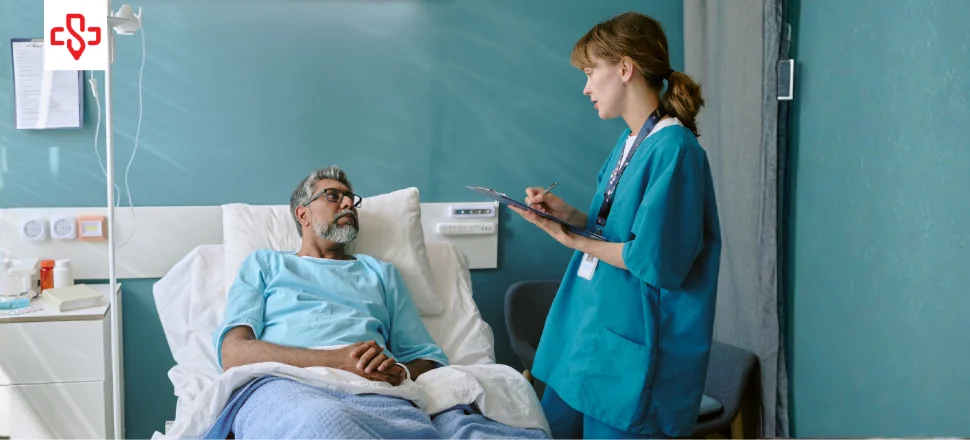

Psychiatry depends on deep listening, empathy, and strong therapeutic connections. Yet many psychiatrists struggle to maintain that connection because documentation constantly interrupts their focus. They spend hours recording detailed session notes, updating EHRs, and managing compliance tasks — time that could be devoted directly to patient care.
A psychiatric medical scribe changes this dynamic. The scribe captures clinical details in real time, allowing the psychiatrist to give undivided attention to the patient. By improving accuracy, streamlining documentation, and reducing administrative workload, psychiatric scribes help providers reclaim time and refocus on compassionate, effective mental healthcare.
1. Boosts Provider Efficiency & Focus
Psychiatrists often spend 35–45% of their time on documentation — time that could be devoted to direct patient interaction. A psychiatric medical scribe handles note-taking, medication updates, and chart entries during or immediately after sessions.
This shift allows providers to focus fully on verbal and nonverbal cues, improving diagnostic accuracy and therapeutic communication. With less administrative distraction, psychiatrists maintain better continuity of care and see more patients per day without sacrificing empathy or depth — a critical balance in mental health practice.
2. Improves Documentation Accuracy & Consistency
Psychiatric notes require exceptional precision and nuance. Misinterpreting symptoms, mood changes, or thought processes can affect treatment decisions. Psychiatric scribes accurately and consistently capture these subtleties while following healthcare standards.
They ensure uniform formatting, complete required elements, and reduce errors from manual entry. In telepsychiatry, virtual psychiatric medical scribes join sessions securely and document in real time, maintaining high accuracy and making records easily accessible across teams and locations.
3. Strengthens Patient-Centered Care
Psychiatric appointments often involve sensitive topics — trauma, anxiety, depression, or emotional distress. When psychiatrists divide attention between the patient and a screen, it creates emotional distance.
A scribe in the room (or connected remotely) lets the provider maintain eye contact and active listening throughout the session. This human-centered approach builds trust, increases patient comfort, and encourages more open sharing — leading to more accurate assessments and more effective treatment plans.
4. Upholds Ethics & Confidentiality
Confidentiality and ethics are non-negotiable in psychiatry. Psychiatric scribes follow strict HIPAA protocols and ethical guidelines. They record clinical facts impartially, without interpretation or bias, and protect sensitive information with professionalism and discretion.
By adhering to these standards, psychiatric medical scribes safeguard patient privacy and uphold the integrity of the mental health profession.
5. Reduces Provider Burnout
Mental health providers experience higher burnout rates than many other specialties. The emotional demands of patient care, combined with heavy administrative work, lead to fatigue, reduced empathy, and early-career exits.
A psychiatric medical scribe handles most documentation, freeing providers to rest, reflect, and pursue professional growth. The result is better work-life balance, higher job satisfaction, and sustained engagement — all essential for delivering high-quality psychiatric care in the long term.
6. Streamlines Revenue & Compliance
Accurate, timely documentation directly affects billing and reimbursement. Psychiatric scribes ensure notes are complete, correctly coded, and compliant — minimizing claim denials and payment delays.
They also help meet complex mental health documentation standards required by payers and regulators, protecting revenue integrity and reducing audit risk.
7. Supports Research & Data Insights
For psychiatrists engaged in academic or clinical research, accurate records are invaluable. Scribes organize patient data, track patterns, and streamline reporting — all while maintaining strict confidentiality.
This allows providers to spend less time managing records and more time analyzing findings that advance psychiatric knowledge and treatment.
8. Adapts Seamlessly to Telehealth & Hybrid Models
Telepsychiatry has transformed mental health delivery. Virtual psychiatric medical scribes seamlessly integrate into remote workflows, providing real-time documentation via secure, encrypted connections.
Whether in-person, virtual, or hybrid, scribes deliver consistent support that aligns with modern care models and maintains documentation quality across settings.
Empowering Mental Health Care Through Scribing
Adding a psychiatric medical scribe is more than a staffing decision — it’s a strategic investment in better care, efficiency, and professional well-being. By easing administrative burdens, improving accuracy, and supporting ethical documentation, scribes help psychiatrists focus on healing minds and improving lives.
If you want to enhance performance, accuracy, and patient satisfaction in your psychiatry practice, explore professional medical scribing support. See how medical scribing supports clinician well-being and contact Scribe.ology today for a customized solution that fits your workflow and goals.