
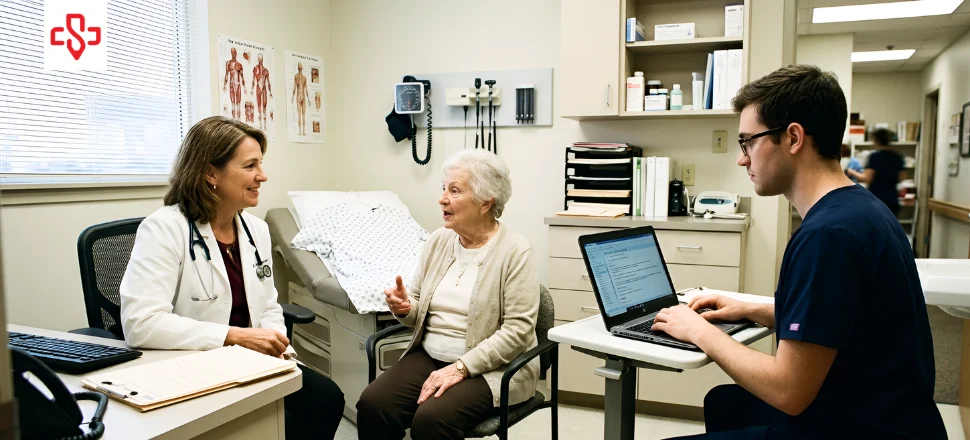
Running a small medical practice today is more challenging than ever. Physicians are expected to manage increasing patient loads, maintain accurate electronic health records (EHRs), meet compliance requirements, and still provide personalized patient care. Unfortunately, administrative work often consumes valuable clinical hours, leaving providers overwhelmed and reducing time spent with patients.That is why many healthcare providers are now turning to medical scribes for small practices to improve efficiency, reduce physician burnout, and enhance patient satisfaction.
Medical scribes are becoming an essential part of modern clinics because they allow providers to focus more on patient care instead of documentation.
In this blog, we will explore how medical scribes support small healthcare practices, improve workflow efficiency, increase revenue opportunities, and create a better experience for both physicians and patients.
Why Documentation Has Become a Major Challenge
Electronic health records were introduced to improve healthcare documentation and coordination. However, for many small practices, EHR systems have created additional administrative burdens. Physicians now spend hours documenting patient encounters, updating records, coding visits, and completing compliance-related paperwork.
In many clinics, providers continue charting after office hours, which affects work-life balance and contributes to burnout. Small practices often operate with limited staff, making it difficult to distribute administrative responsibilities efficiently.
As a result, many clinics are now exploring medical scribing solutions for growing practices to reduce documentation pressure while improving productivity.
What Do Medical Scribes Do?
Medical scribes assist healthcare providers by documenting patient encounters in real time. During appointments, scribes record patient histories, physical examination findings, treatment plans, and follow-up instructions directly into the EHR system.
Their responsibilities may also include:
- Managing clinical documentation
- Preparing patient charts before appointments
- Updating medical histories
- Assisting with coding documentation
- Improving chart accuracy and completion times
- Supporting physicians during busy clinic hours
By handling documentation tasks, scribes allow physicians to maintain better eye contact and communication with patients during visits.
The Real Value of Medical Scribes for Small Practices
1. More Time for Patient Care
One of the biggest benefits of using medical scribes for small practices is increased patient interaction. Instead of focusing on typing notes into an EHR system, physicians can engage directly with patients, listen carefully to concerns, and improve the overall quality of care.
Patients often notice when providers are distracted by computers during appointments. Scribes help restore meaningful physician-patient communication, leading to stronger trust and better patient experiences.
Practices looking to improve patient-focused care often explore live medical scribe support services to streamline clinical workflows.
2. Reduced Physician Burnout
Physician burnout continues to rise across the healthcare industry. Long documentation hours, administrative overload, and after-hours charting are major contributing factors. Small practice providers are especially vulnerable because they frequently manage both clinical and operational responsibilities.
Medical scribes significantly reduce the time physicians spend on documentation. Providers can complete charts faster, leave work on time, and maintain healthier work-life balance.
Many clinics report improved physician satisfaction after implementing scribe programs because doctors can focus more on practicing medicine rather than data entry.
3. Improved Clinic Efficiency
Efficiency is critical for small healthcare practices. Delays in chart completion, documentation errors, and workflow interruptions can negatively affect daily operations. Additionally, the American Medical Association reports that physician burnout rates continue to remain above 45%, with EHR documentation burden being one of the leading contributors. Medical scribes help reduce these workflow challenges by improving documentation speed, accuracy, and operational efficiency.
Medical scribes help improve clinic efficiency by:
- Reducing documentation delays
- Improving chart accuracy
- Helping providers see more patients
- Reducing administrative bottlenecks
- Supporting smoother patient flow
With faster documentation support, physicians can often increase appointment availability without sacrificing quality care.
4. Better Financial Performance
Hiring medical scribes may seem like an additional expense initially, but many small practices discover significant financial benefits over time.
Accurate and timely documentation supports proper coding and billing, which can reduce claim denials and improve reimbursement rates. Additionally, improved provider productivity may allow clinics to accommodate more patient visits daily.
Practices evaluating documentation efficiency on EHR burdens to determine which solution delivers faster operational improvements.
5. Improved Documentation Quality
Accurate medical records are essential for patient safety, compliance, and continuity of care. Medical scribes are trained to document encounters thoroughly and consistently, helping reduce incomplete records and missed information.
Well-maintained documentation can also support compliance requirements and minimize risks associated with incomplete charting.
Healthcare organizations focused on reducing compliance concerns often review documentation compliance strategies with medical scribes to strengthen operational accuracy.
Why Small Practices Benefit More Than Large Systems
Large healthcare systems often have dedicated administrative teams and larger operational budgets. Small practices, however, must maximize efficiency with limited resources. Even minor workflow disruptions can significantly impact daily operations.
That is why medical scribes for small practices provide such valuable support. Scribes help clinics operate more efficiently without requiring major staffing expansions or complex operational restructuring.
For independent providers, improved documentation workflows can directly influence patient retention, physician satisfaction, and practice growth.
Virtual Scribes vs. In-Person Scribes
Today’s clinics can choose between in-person scribes and virtual medical scribes depending on operational needs and budget considerations.
In-Person Scribes
In-person scribes work physically inside the clinic alongside providers. They assist directly during patient encounters and may help coordinate workflow tasks throughout the day.
Virtual Medical Scribes
Virtual scribes provide remote documentation support through secure audio connections or telehealth platforms. Many small practices prefer virtual scribing because it offers flexibility, scalability, and lower overhead costs.
Clinics exploring remote healthcare documentation often consider professional virtual medical scribe services to improve workflow efficiency while controlling operational expenses.
How to Know If Your Practice Needs Medical Scribes
Your practice may benefit from medical scribes if:
- Providers spend excessive time on documentation
- Charting continues after office hours
- Patient wait times are increasing
- Physicians feel burned out
- EHR-related frustrations affect workflow
- Documentation errors are becoming common
- Patient interaction quality is declining
If several of these challenges sound familiar, implementing medical scribes could significantly improve clinic performance.
The Future of Medical Scribing in Modern Clinics
The healthcare industry continues to evolve rapidly, and documentation requirements are becoming increasingly complex. As providers seek better work-life balance and improved operational efficiency, the demand for medical scribes will likely continue growing.
Modern clinics are recognizing that documentation support is no longer optional. It has become an important strategy for maintaining provider satisfaction, improving patient experiences, and supporting long-term practice sustainability.
Small practices that invest in efficient documentation solutions today may gain a competitive advantage as healthcare operations continue becoming more demanding.
Conclusion
The role of medical scribes has expanded far beyond simple note-taking. Today, medical scribes for small practices help improve patient care, reduce physician burnout, increase documentation accuracy, and strengthen clinic efficiency.
For small healthcare providers facing growing administrative demands, medical scribes offer a practical and scalable solution that supports both operational performance and patient satisfaction.
As modern clinics continue adapting to evolving healthcare challenges, medical scribes are becoming an essential part of sustainable and patient-focused practice management.