Pediatric visits move fast, but documentation shouldn’t slow them down. From well-child exams to acute and chronic-condition visits, pediatricians juggle detailed clinical notes alongside engaging kids, parents, and caregivers. Scribe.ology’s trained pediatric scribes handle real-time EHR documentation, so providers can focus on the patient and family, not the screen.

Pediatric care is highly conversational and often involves more than one voice in the exam room. A physician may be listening to a parent, observing a child, reviewing growth patterns, checking immunization history, and discussing anticipatory guidance – all within the same visit.
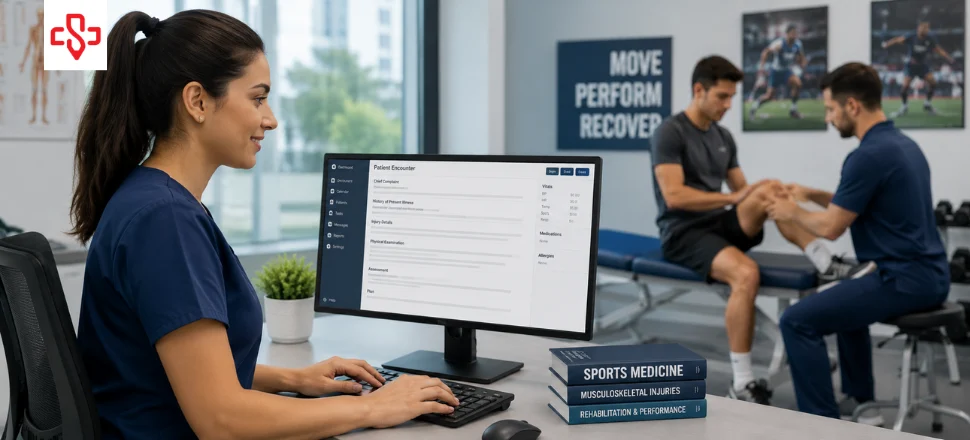
That makes uninterrupted attention especially valuable. A trained pediatric scribe can document the encounter as it happens, helping the provider stay present while the medical record is built in real time.
Common outpatient pediatric documentation may include:

Scribe.ology medical scribes partner with physicians to ease the burden of data gathering and EHR documentation. In an outpatient pediatric setting, that means supporting the flow of documentation before, during, and immediately after the encounter while following the provider’s workflow and preferences.
A pediatric scribe may support physicians by:
Clinical boundaries: Scribes support documentation under provider direction. They do not independently diagnose, prescribe, or make clinical decisions.

In pediatrics, the patient experience extends beyond the patient. Parents and caregivers often arrive with questions, concerns, and important context that can shape the visit. When physicians are pulled toward the EHR, those conversations can become fragmented.
By handling real-time documentation, a medical scribe helps remove some of that screen distraction. The goal is simple: give pediatric providers more opportunity to listen, observe, explain, and connect while documentation keeps pace in the background.

No two pediatric practices operate exactly the same way. Appointment lengths, provider preferences, EHR templates, staffing models, and patient volumes vary widely. Scribe.ology tailors its outpatient scribe programs to fit the way your clinic already works rather than forcing physicians into a standardized documentation model.
Our pediatric scribe support can fit:
Scribeology’s pediatric scribes work in-person or virtually, capturing accurate documentation in real time so pediatricians can stay present with young patients and their families instead of typing notes.
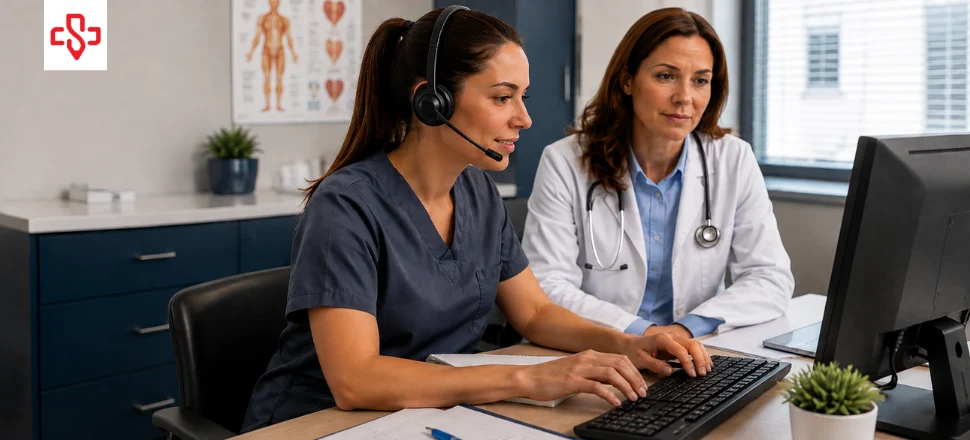
An in-person scribe works alongside the provider within the practice, documenting visits in real time and becoming familiar with the physician’s preferences, clinic flow, and EHR workflow.
Scribe.ology’s virtual scribes, also known as TeleScribes, provide remote real-time documentation support through secure workflows. This model can be especially useful for practices that need flexible coverage, support across multiple providers, or less-than-full-time documentation assistance.

Scribe.ology uses a structured approach to recruiting and training scribes. For pediatric assignments, preparation can be aligned to the terminology, documentation patterns, EHR environment, and provider expectations of the practice.
Training and onboarding may include:
Scribe.ology was built around the realities of clinical documentation and the goal of helping providers "Practice Medicine Again."
Our outpatient programs are designed around clinic operations, provider schedules, EHR workflows, and patient volume.
Scribes can be prepared around the terminology and documentation patterns relevant to the specialty and individual provider.
Practices can evaluate in-person or virtual scribe support based on their workflow and coverage needs.
The scribe program is tailored to the practice rather than requiring providers to reshape their workflow around the scribe.
A pediatric medical scribe documents patient encounters in the EHR in real time under the direction of the physician. The scribe supports the provider by capturing relevant visit information and helping keep documentation organized and ready for physician review.
Yes. Scribes can be trained around the visit types and documentation workflows used by the pediatric practice, including preventive visits, acute complaints, follow-ups, and other recurring outpatient encounters.
No. Medical scribes are documentation specialists. They do not independently diagnose, prescribe, perform examinations, or make clinical decisions.
Yes. Scribe.ology offers virtual medical scribe support in addition to in-person scribing, allowing practices to choose a model that better fits their staffing, location, and coverage needs.
Yes. Provider-specific preferences are an important part of implementation. The objective is for the scribe to support the physician’s established workflow and documentation approach.