
Ask any physician what consumes the most time in their workday, and the answer is rarely patient care. Documentation takes that spot instead. Studies show that for every hour providers spend with patients, they spend nearly two more hours entering data into electronic health records. This imbalance has increased the demand for medical scribes in healthcare. These professionals manage real-time documentation so clinicians can focus fully on the patient in the room.
Medical scribes are no longer simple note-takers. They now play an essential role within the clinical team. Their responsibilities include documentation support, workflow coordination, EHR navigation, and care team communication. At Scribe.ology, every training program and service model reflects this evolution.
From Clerical Support to Clinical Partner
Emergency departments first introduced emergency medical scribes because providers struggled to manage fast-paced documentation demands. As healthcare organizations saw the benefits, scribes expanded into specialties such as primary care, pediatrics, orthopedics, and oncology. Today, the expanding role of scribes influences nearly every part of clinical operations.
Modern scribes do much more than transcribe dictation. They navigate EHR platforms like Epic, Cerner, and Athenahealth in real time. They also help prepare charts before visits so providers can review patient history, medications, and pending orders ahead of time. After appointments, scribes finalize documentation quickly and accurately. This support reduces after-hours charting, one of the leading causes of physician burnout.
Healthcare organizations now view documentation differently. They no longer treat it as a purely administrative task. Instead, they recognize it as a clinical function that affects care quality, billing accuracy, and patient outcomes. Skilled scribes contribute far more than fast typing.
How Medical Scribes Support the Entire Healthcare Team
One of the most overlooked benefits of medical scribes in healthcare is their impact on the entire care team. Accurate and timely documentation helps every department work more efficiently.
- Nurses and medical assistants depend on clear notes to administer care, track symptoms, and coordinate follow-ups. Missing information can lead to delays or mistakes.
- Practice managers often see smoother patient flow and better scheduling efficiency. Scribes help remove bottlenecks that slow appointments and frustrate staff and patients. Research also shows that patient throughput improves when practices integrate scribes.
- Billing and coding teams rely on detailed documentation to submit accurate claims. Scribes who capture diagnostic details and procedure codes during visits help reduce denials and reimbursement delays.
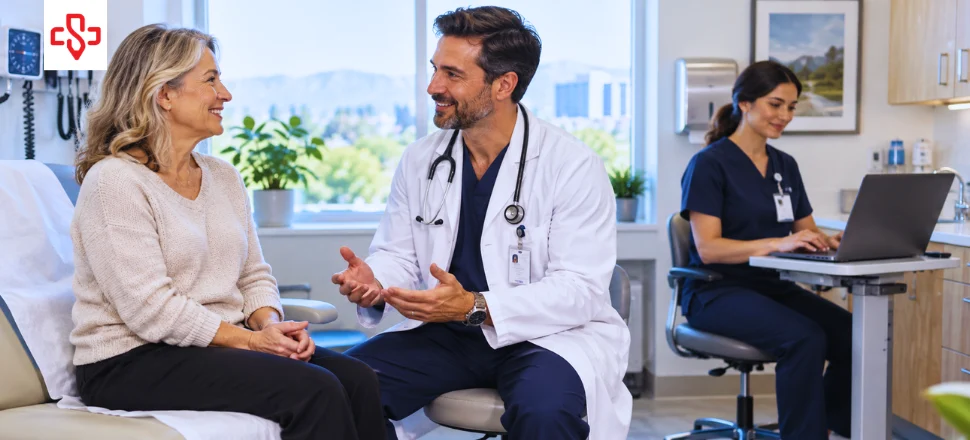
- Patients notice immediate improvements as well. Providers maintain more eye contact and engage in better conversations when they are not focused on a screen. This interaction increases trust, satisfaction, and treatment adherence.
Scribes connect the clinical encounter with the medical record. As a result, departments communicate more effectively and practices operate more smoothly.
Rigorous Training Built for Real Clinical Environments
Fast typing alone does not prepare someone for medical scribing. The role requires knowledge of medical terminology, anatomy, disease processes, and pharmacology. Scribes also need to understand specialty-specific workflows. For example, cardiology documentation differs greatly from psychiatric documentation.
At Scribe.ology, training extends beyond clinical education. Scribes also develop essential soft skills, including active listening, adaptability, and professional discretion. They learn how to anticipate provider needs and collaborate effectively during patient encounters. These skills become especially important in fast-moving clinical environments. The demands of ED documentation require scribes who can stay calm, think clearly, and document accurately under pressure.
Scribe.ology also trains every scribe in HIPAA compliance. Handling protected health information requires professionalism and accountability both inside and outside the clinic.
“My scribe doesn’t just take notes. She’s my second set of eyes and ears. She remembers my preferences, catches things I miss, and keeps me organized. I genuinely feel like we’re a team.”
— Dr. Amanda Lee, Pediatrician
Ethics, Privacy, and the Human Element
As medical scribes in healthcare take on larger responsibilities, ethical standards become even more important. Scribes often witness highly sensitive conversations about diagnoses, mental health, and end-of-life care. Because of this, they must demonstrate confidentiality and professional maturity at all times.
Documentation accuracy also carries ethical importance. Errors in medical records can affect future diagnoses, prescriptions, and treatment plans. Scribe.ology emphasizes scribing ethics, including privacy, accuracy, and professional boundaries. Scribes learn to identify inconsistencies, ask clarifying questions, and avoid assumptions about clinical information.
Virtual Scribes: Flexible Support for a Digital Era
Telehealth and hybrid care models have created new opportunities for medical scribes in healthcare. Virtual scribes join appointments through secure audio or video connections and provide the same documentation support without being physically present in the clinic. This model works especially well for multi-site practices, rural healthcare centers, and providers who prefer more private patient interactions.
Virtual scribing also gives practices greater flexibility. Organizations can adjust coverage based on patient volume and match scribes with providers according to specialty expertise instead of location. As healthcare continues shifting toward digital-first care, virtual scribes will likely become a standard part of clinical operations.
A Career Path With Real Clinical Depth
Many medical scribes use the role as a starting point for healthcare careers. Pre-medical and pre-nursing students gain direct exposure to clinical reasoning, patient communication, and healthcare teamwork. Working alongside physicians also helps them understand decision-making and communication under pressure.
Scribe.ology supports this career pipeline through mentorship programs, peer learning communities, and continuing education opportunities. Those interested in joining as a scribe can build both professional skills and meaningful clinical experience. The company also supports long-term careers in documentation and healthcare operations.
The Measurable Impact of Scribe Integration
The benefits of medical scribes in healthcare go beyond anecdotal success stories. Practices that integrate scribes often report measurable improvements across multiple performance indicators. Providers spend less time documenting, patient satisfaction scores increase, and after-hours charting decreases. These improvements help reduce burnout and improve work-life balance.
Scribe.ology designs its integration process to maximize these outcomes. The company pairs scribes consistently with providers so they can build familiarity and trust over time. Ongoing feedback also helps maintain high performance standards. Whether a practice chooses in-person, virtual, or hybrid coverage, the goal remains the same: seamless documentation support that feels like a natural extension of the care team.
Conclusion: A Seat at the Clinical Table
The role of medical scribes in healthcare has evolved from clerical support into a clinical necessity. Scribes reduce administrative burden, improve documentation accuracy, strengthen compliance, and create more meaningful patient interactions. As documentation demands continue to grow, healthcare organizations increasingly rely on scribes to support both providers and patients.
Medical scribes are more than note-takers. They are collaborators, communicators, and valuable members of the healthcare team. To learn how a Scribe.ology-trained scribe can support your practice, request a free consultation today.